What a Portland restaurant's closing reveals about food, culture, and the cost of living
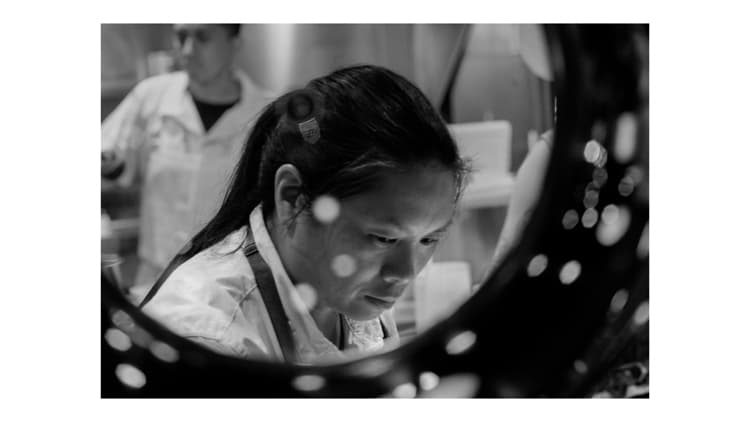
Portland’s Final Feast Highlights Immigrant Roots and Economic Realities
As the snow begins to fall and the city’s seasonal restaurants shut their doors, one chef’s last service on the Portland dining scene has taken on a deeper meaning. In a quiet evening that marked the end of a season for the restaurant, the chef used the final menu to shine a light on the immigrant stories, hardworking staff, and financial pressures that shape the city’s food culture.
The restaurant, which had been a seasonal fixture in Portland, closed its doors for the winter after a year of bustling activity. The decision to close was part of a larger trend: many of the city’s seasonal eateries shut down during the colder months, when tourism slows, supplies become scarce and operating costs rise. For Portland, a city known for its vibrant culinary scene, this seasonal rhythm has become a defining feature of its food landscape.
In what many saw as a fitting farewell, the chef’s final service was more than a showcase of seasonal dishes. It was an intentional celebration of the people and histories that sustain Portland’s kitchens. The menu was designed to pay tribute to the immigrant families who have long been the backbone of the city’s food industry, from the cooks who bring flavors from their homelands to the workers who bring fresh ingredients from the fields to the table.
The evening was a reminder that the culinary scene in Portland is built on the labor of many hands, often invisible to diners. It highlighted the fact that the city’s restaurants rely heavily on workers from immigrant backgrounds, and that their contributions are integral to the local economy. The chef’s narrative underscored the challenges that many of these workers face, including low wages, limited access to benefits, and the uncertainty that comes with a seasonal business model.
Beyond the stories of people, the final service also exposed the economic pressures that keep Portland’s restaurants afloat. Rising rents, increasing costs of fresh produce, and the need to stay competitive in a city that prides itself on quality and authenticity all weigh heavily on restaurant operators. The chef’s choice to use the final dinner to bring these issues to light was a powerful reminder that the city’s culinary future is intertwined with the well‑being of its workforce and the sustainability of its supply chain.
While the restaurant has closed its doors for now, the impact of the final service will linger in the conversations it sparked. It has sparked a broader reflection on how Portland can support its seasonal restaurants, preserve its diverse culinary heritage, and create an environment where immigrant workers and small‑scale producers can thrive.
As the city’s seasonal restaurants pause for the winter, the story told on that final table offers a hopeful vision. By acknowledging the immigrant roots, celebrating the workers, and confronting the economic realities, Portland’s food scene may find new ways to sustain itself while honoring the people who make it possible.