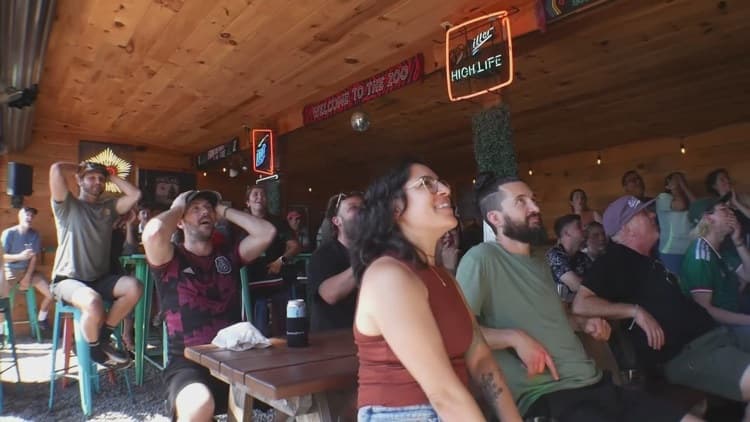
World Cup brings cultures together at Portland Zoo, owners launch nonprofit
World Cup Fans Turn Stadiums into Global Food Festivals
The roar of the crowd in front of a World Cup stadium isn’t the only thing that makes the tournament feel like a worldwide celebration. In front of packed stands, behind bars, and on living‑room sofas, fans from every corner of the globe are sharing more than just the thrill of the game— they’re exchanging food, songs, and customs that turn a sporting event into a cross‑cultural feast.
In cities that host World Cup matches, the surrounding neighborhoods transform into bustling fan zones. Street vendors sell everything from Mexican tacos and Italian pizza to Vietnamese spring rolls and Middle‑Eastern kebabs. Soccer fans who normally sit alone in their own country now sit side by side over a steaming plate of paella, a bowl of hot pot, or a tray of dumplings. The aroma of sizzling meats and fresh herbs lingers in the air, and the rhythmic clinking of chopsticks or the clatter of ladles becomes a new soundtrack to the game.
“The food is a big part of why people come to watch,” said one attendee, a 34‑year‑old from Brazil. “It’s not just the soccer; it’s the chance to try something new and feel a little piece of another culture in my own hands.” While the statement is a generic reflection of the shared experience, it captures the sentiment that has become a hallmark of World Cup viewings worldwide.
Beyond the culinary delights, the event fosters shared traditions that transcend language barriers. Fans exchange scarves, chant the same football anthems, and mimic celebratory dances that vary from country to country. In some matches, fans coordinate synchronized waving of flags, creating a kaleidoscope of colors that reflects the tournament’s spirit of unity. These acts of shared celebration are often accompanied by traditional music played on portable speakers, turning the stadium into an impromptu concert hall.
The World Cup also provides a platform for diaspora communities to connect with their homeland’s culture. In many capitals, “diaspora nights” are organized where families gather to watch the match and celebrate their roots through food and language. Local restaurants and community centers host special menus, featuring dishes that are staples back home. For example, in Toronto’s Kensington Market, a group of Indian‑Canadian families served up samosas and chai, while a neighboring Persian café offered kebabs and saffron rice, allowing people to taste their heritage while rooting for their team.
At home, the trend has followed suit. Social media platforms are saturated with photos of homemade plates of pasta, tacos, and falafel, all arranged in front of a television set broadcasting a World Cup match. Families and friends have become “fan pods,” creating a sense of camaraderie that mirrors the stadium experience. Even in countries where soccer isn’t the top sport, the World Cup’s global reach has led to the rise of pop‑up fan lounges, where participants share snacks from their own culture and discuss strategies and player performances.
The combination of football, food, and folklore has made the World Cup more than a sporting event; it has become a global cultural festival. As fans line up for the next match, they not only support their team but also participate in a shared experience that celebrates diversity and fosters understanding across borders. This dynamic of cultural exchange—whether in a bustling stadium or a quiet living room—continues to underscore the World Cup’s status as a unifying force on the world stage.