

“We demand an apology”; More survivors of Portland Diocese’s sexual abuse come forward after settlement
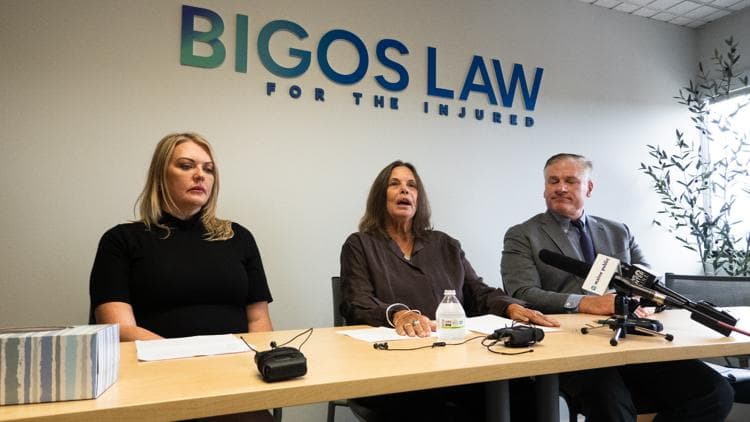
Portland Diocese Reaches Hundreds of Settlements, Survivors Claim Safeguards Still Lacking
A series of civil settlements that have totaled over a hundred former victims of the Portland Diocese of the Roman Catholic Church has brought renewed scrutiny to the diocese’s handling of abuse allegations. The cases, which cover a range of alleged sexual abuse spanning several decades, were concluded through negotiated agreements between the church and the survivors.
While the settlements settle the immediate claims, many of the individuals who reached agreements say the diocese has not taken sufficient measures to prevent future abuse. “We believed the church would act to protect others,” one survivor told reporters in an interview. “But the steps taken so far do not match the seriousness of the problem.” The survivors’ statement reflects a broader concern among the affected community that the diocese’s policies and oversight remain inadequate.
The settlements, which were finalized over the past several years, involved a variety of plaintiffs—some who were children when the alleged abuse occurred, others adults who had been taught to keep the incidents hidden. The amounts awarded varied, but the agreements collectively represent a significant financial commitment by the diocese.
The Diocese of Portland, which covers a 23‑county region in eastern Maine, has faced a surge of abuse lawsuits in recent years. While the settlements resolve the individual claims, critics argue that they do not address systemic problems within the church’s governance. The diocese’s legal representatives have stated that the agreements were made in good faith to provide closure to the survivors and to help the church focus on preventing future incidents.
The survivors’ concerns highlight questions about the effectiveness of the diocese’s child‑safety policies. The church has publicly stated that it has revised its protocols, including mandatory background checks and increased training for clergy and lay workers. However, the survivors maintain that these steps do not fully counter the risk of future abuse.
The situation has prompted calls for greater transparency and stricter enforcement of safeguarding measures. Some local officials and advocacy groups have urged the diocese to adopt independent oversight mechanisms, while others emphasize the importance of continued dialogue between the church and the affected community.
As the diocese moves forward, the conversation surrounding how best to protect future generations continues to evolve. The settlement outcomes, though substantial, have left a lingering question about whether the changes enacted will be sufficient to restore trust and ensure safety for all.


