

Victoria Mansion marks Juneteenth with stories of enslaved people connected to the home
Portland’s Victoria Mansion Turns a Page on Its Own History
A team of curators and educators at Portland’s Victoria Mansion has launched a new program that brings to light the lives of at least 27 enslaved people who once worked for the house’s original owner, Ruggles Morse, during his years in Louisiana.
The Victorian‑style home, situated on a corner of Congress Street in Portland, has long been a popular destination for city residents and visitors seeking a glimpse of 19th‑century Maine. The museum’s latest effort is part of a broader movement among historic sites to confront the uncomfortable aspects of their pasts, especially the legacy of slavery.
Ruggles Morse, who built the mansion in 1840 and later moved to the Deep South, was a slaveholder while living in Louisiana. Historical records show that at least 27 enslaved individuals were legally owned by Morse during that period. Their names, ages, and roles in Morse’s household have been uncovered through diligent research of estate papers, census records, and other archival sources.
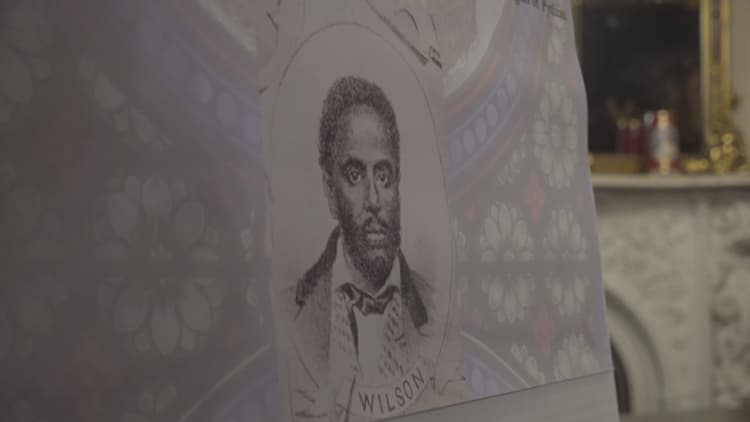
The museum’s staff have integrated these findings into a series of guided tours, educational panels, and interpretive displays that tell the stories of the enslaved people, not merely as property, but as human beings with family ties, skills, and aspirations. The initiative also includes digital exhibits and a scholarship program that encourages local students to study the complex history of slavery in New England and the South.
According to the museum’s curator, the new project “provides a more complete and honest picture of the house’s past.” By placing the enslaved individuals at the center of its narrative, the Victoria Mansion hopes to foster a deeper understanding of how slavery shaped the lives of people across the United States, even in places that were once thought to be free.
The initiative has already sparked conversations among Portland residents, historians, and educators about the need for museums to acknowledge all facets of their history. Local schools have scheduled field trips to the mansion to explore the new exhibits, and community groups have expressed interest in collaborating with the museum to create additional programming around the stories of enslaved people in Maine and the broader Northeast.
Victoria Mansion’s staff plan to continue expanding the project, adding more names as they uncover further evidence. The museum is also working to secure funding for ongoing research and to make the expanded exhibits accessible to a wider audience.
The announcement comes at a time when many American institutions are reexamining their ties to slavery and other forms of oppression. By spotlighting the lives of the 27 enslaved individuals associated with Ruggles Morse, the Victoria Mansion demonstrates a commitment to transparency and education, inviting visitors to confront a difficult chapter of the state’s history.

