

These Maine art galleries get creative to survive uncertain times


John Danos, co-owner and co-director of Cove Street Arts and Greenhut Galleries in East Bayside. (Derek Davis/Staff Photographer)
After nearly 50 years doing business in the Old Port, Greenhut Galleries joined Cove Street Arts’ space in the East Bayside neighborhood of Portland.
The move, which took place in late June, was driven by factors like reduced foot traffic in the Old Port since the pandemic, as well as logistical convenience.
“We used to get a lot of tourists who would come in and buy, and it would be on the lower end of the price range, but just buy a painting that’s their souvenir. And that hasn’t happened as much the past few years,” said Greenhut Galleries co-owner John Danos.
Instead, the gallery has relied increasingly on art collectors.
Danos and his partner Kelley Lehr also own Cove Street Arts. Danos said that moving Greenhut into the Cove Street Arts building will make things much easier for them and their employees because they won’t have to manage two properties at the same time.
“We can just expand our reach and what we’re doing, as opposed to just always sort of running back and forth and hoping we get everything done that absolutely must get done, and focusing on sort of the necessities, as opposed to the extras,” he said.
Advertisement
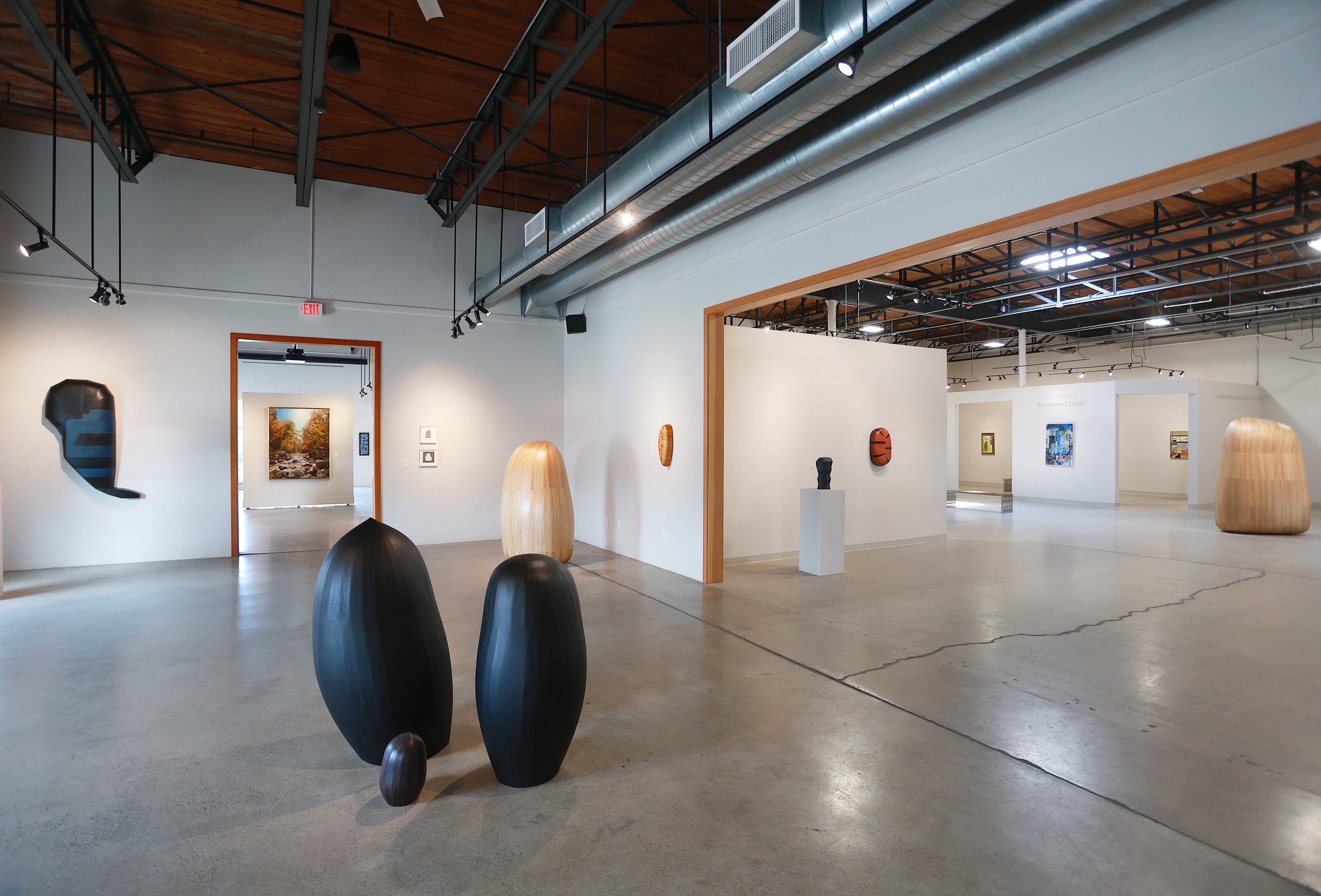
Cove Street Arts and Greenhut Galleries in East Bayside. (Derek Davis/Staff Photographer) Purchase this image
Changes in buying patterns haven’t just affected Danos and Lehr. Since the pandemic, and with the rise of new technology and an uncertain economy coupled with rising art dealer costs, several gallery owners across the Portland area have changed their business models to survive.
The increasing costs aren’t limited to Maine. According to a global report by research and consulting firm Arts Economics, overall dealer costs rose by 5 percent on average in 2025, higher than the rate of inflation in most major art markets and higher than the rate of sales growth. Arts Economics also reported that political and economic volatility were the most concerning factors for art dealers.
A SHIFTING BUSINESS MODEL
Elizabeth Moss, the owner of Elizabeth Moss Galleries in Portland and Falmouth, said that selling online has helped keep her gallery thrive, even under economic pressures and as her clientele shifts.
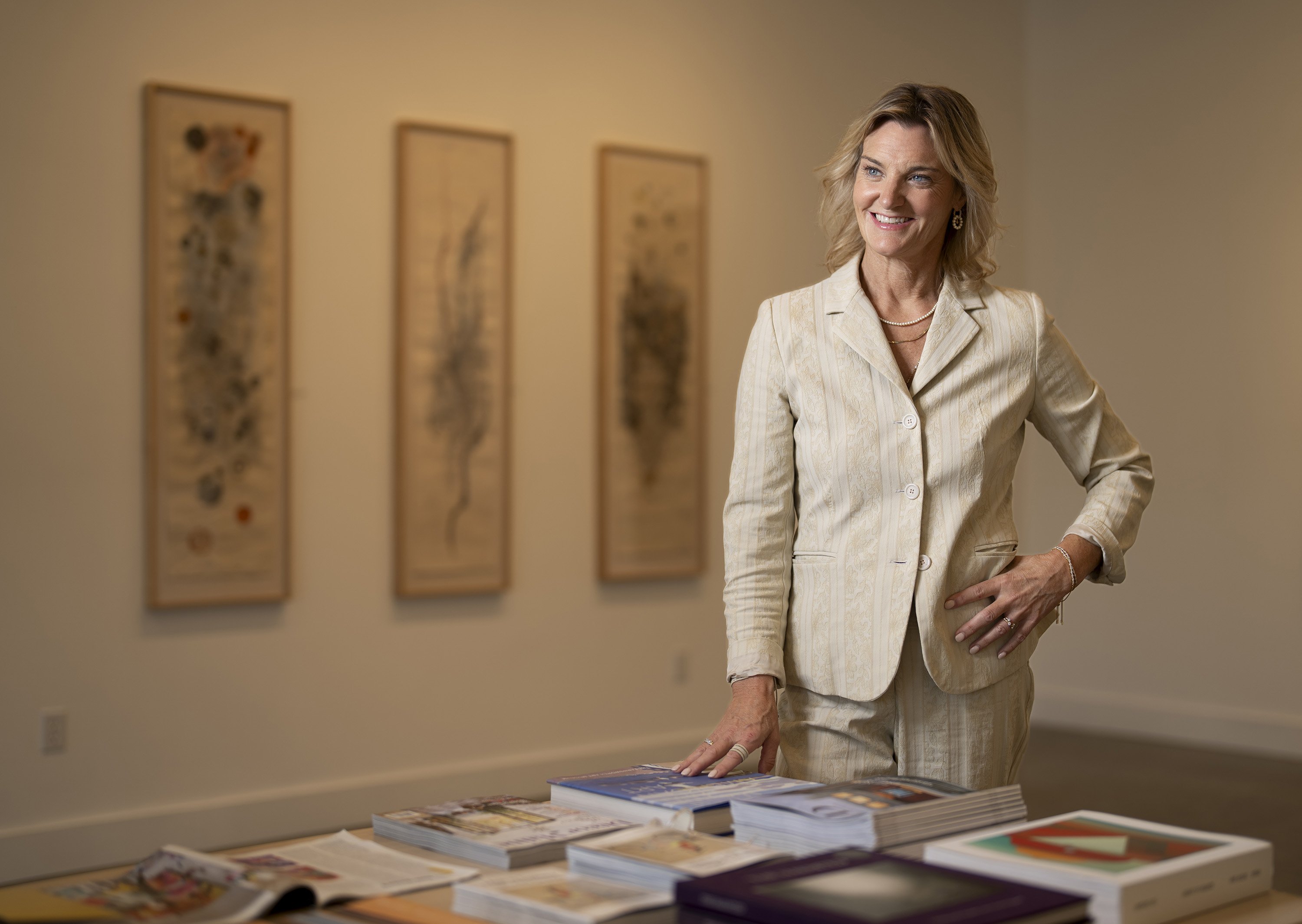
Gallery owner Elizabeth Moss opened her first gallery in Maine in 2004. (Gregory Rec/Staff Photographer)
“I think there’s less foot traffic in general. And it’s probably because there’s a transition of the buyer base from an older generation to a younger generation,” said Moss. “And the younger generation are less apt to walk through the door unless there’s some special event or something. But they’re more apt to be fine buying something online sight in person unseen.”
Maddy Vertenten, who owns Sidle House, a gallery in Freeport, said that she’s worked on expanding her online presence recently.
“My Instagram has had a solid following since I started and I’m always looking to grow that,” said Vertenten, who also has a YouTube and Substack.
Advertisement
Some gallery owners in the Portland area, like Danos and Moss, operate under a roster model in which they are committed to featuring particular artists and rotating their artwork in and out. This affords a measure of predictability.
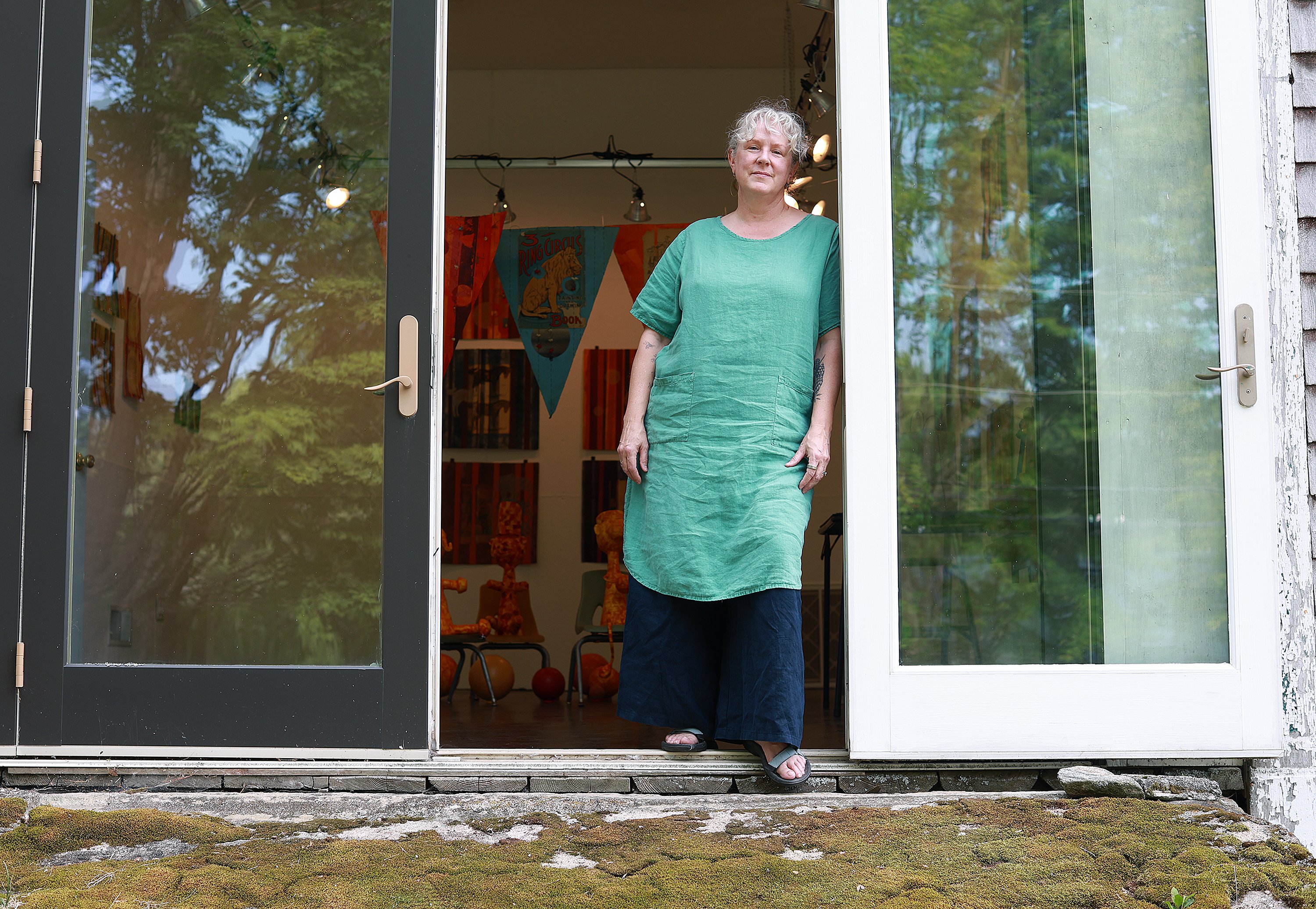
Maddy Vertenten at Sidle House art gallery. (Derek Davis/Staff Photographer) Purchase this image
Vertenten, by contrast, has enjoyed the freedom that comes without a roster. She recently put out an open call for artwork at Sidle House on Instagram.
“I want to give artists opportunities as much as possible. And so I want to be open and flexible to meeting new artists that were unknown to me previously,” she said.
B. Oak McCoy, an economics professor at the University of New England, said that galleries and small businesses that diversify their revenue streams can be more competitive. Beyond selling online and in person, smaller galleries can compete with larger global dealers through specialization, knowledge and personal service, as well as relationships with local artists and buyers. This includes things like installation, consultation, classes, memberships and corporate art programs.
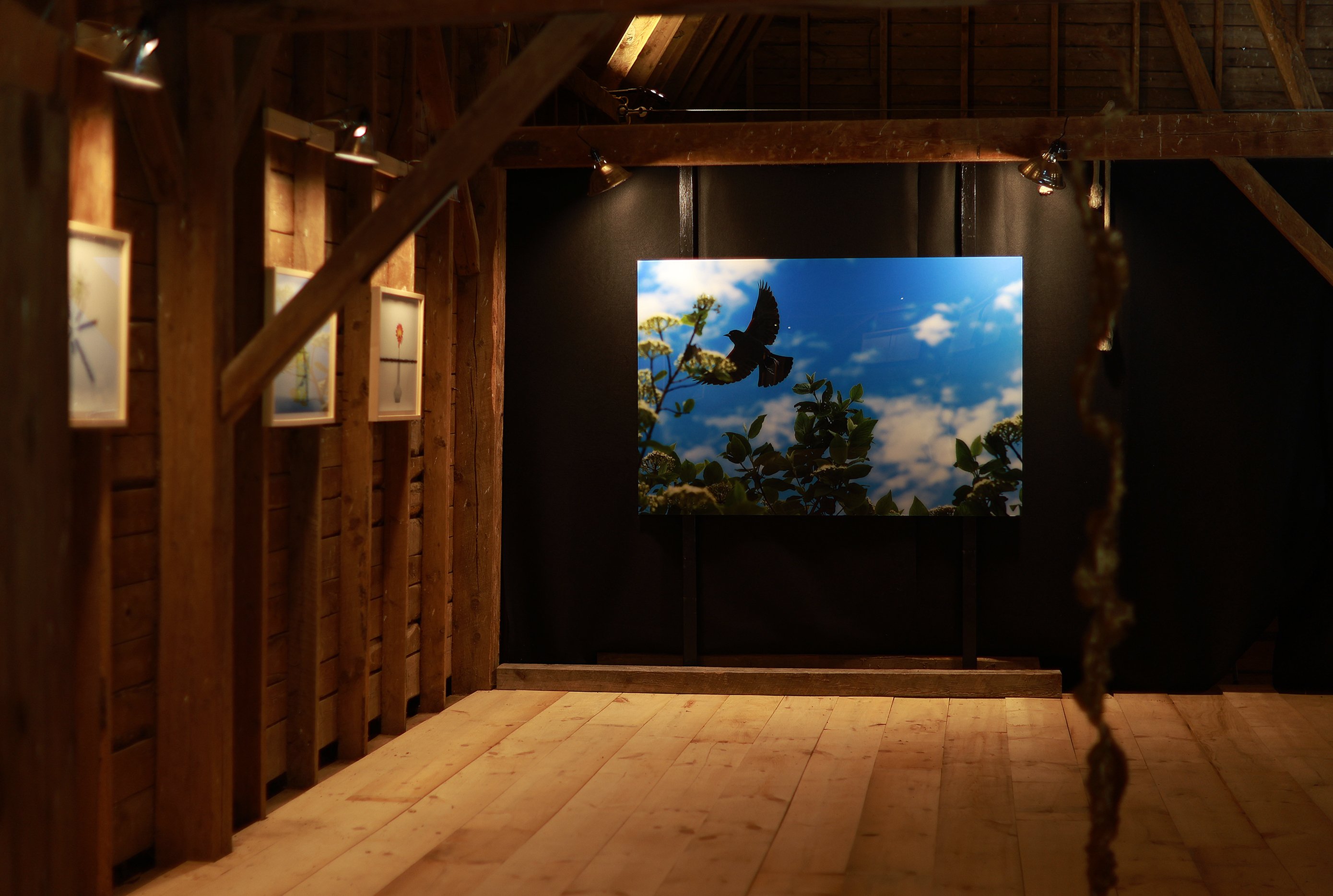
Art hangs on the barn walls at Sidle House gallery in Freeport, including “Seaweed Zip #7” by Celeste Roberge. (Derek Davis/Staff Photographer) Purchase this image
But at the end of the day, it’s the relationships in art that matter.
Kinsey Robb, executive director of the Art Dealers Association of America, said that relationships not only help create a successful business, they also make the work worthwhile.
Advertisement
“When I talk with many longtime collectors, gallery founders, and others who have spent their lives in the arts, what first drew them into the art world wasn’t the market, it was the people,” said Robb in an email.
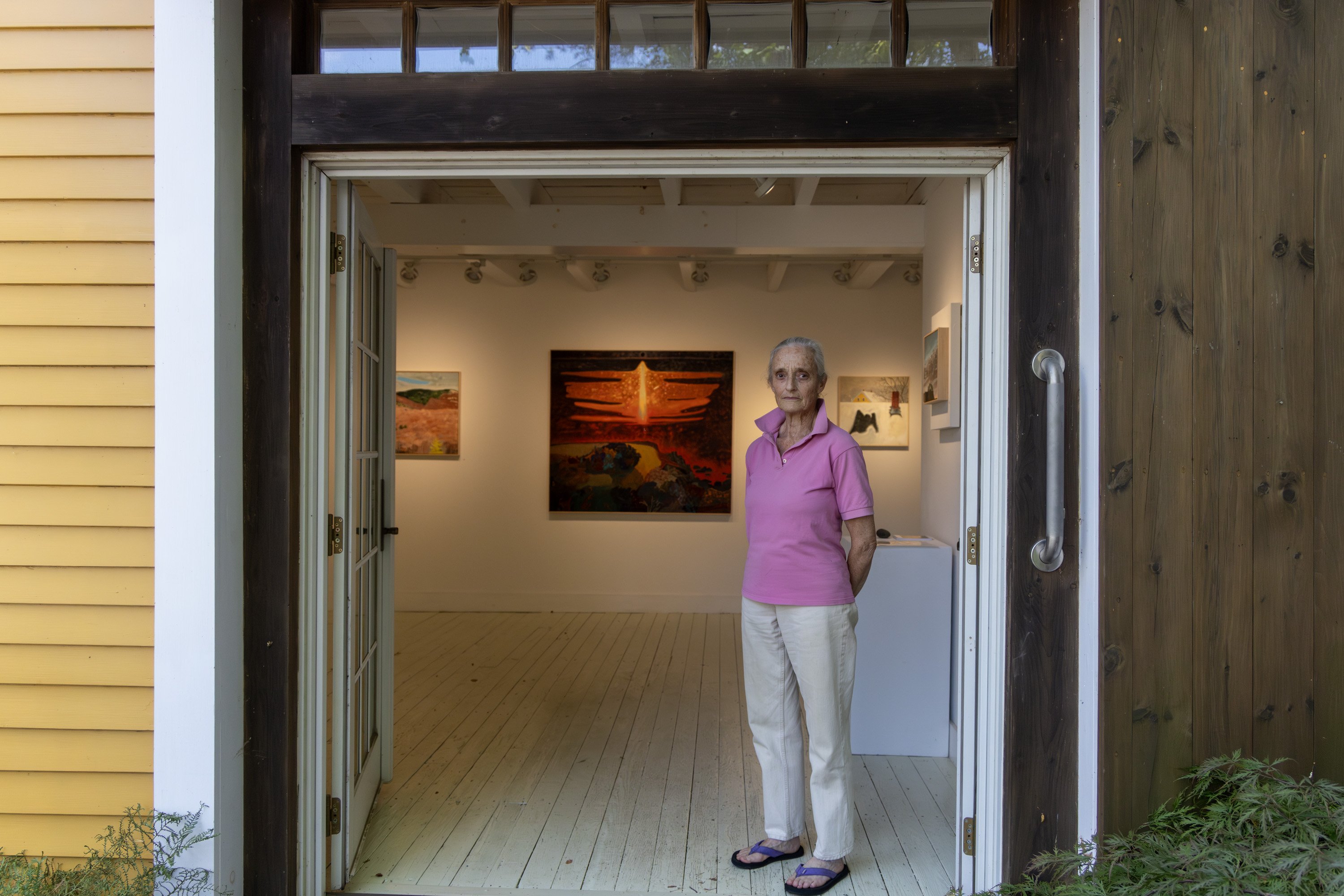
Cynthia Hyde, owner of Caldbeck Gallery, stands in the entryway in front of Jarid del Leo’s exhibition “Something Out There” in Rockland. (Anna Chadwick/Staff Photographer) Purchase this image
On a recent First Friday art event, Cynthia Hyde, who runs Caldbeck Gallery in Rockland with her husband, Jim Hyde, worried that no one would come because it was over 90 degrees outside. She was pleasantly surprised that the event had great attendance, so much so that the Caldbeck Gallery went through many gallons of iced tea.
“It’s very reassuring that still after all these years, people still love artists, love art, and all the friends of the artists come to support them and rally around them,” said Hyde.
PANDEMIC STRATEGIES
Though the pandemic was hard for many small businesses, some art galleries thrived.
Hyde said that the demand for art was high, and the artists she worked with produced huge bodies of work.
“We had tons of business, and I think other galleries had the same experience because people were stuck at home and they’re on the internet all day shopping,” said Hyde.
Advertisement
McCoy said that gallery owners still use the online strategies that they adopted during the pandemic to sell art.
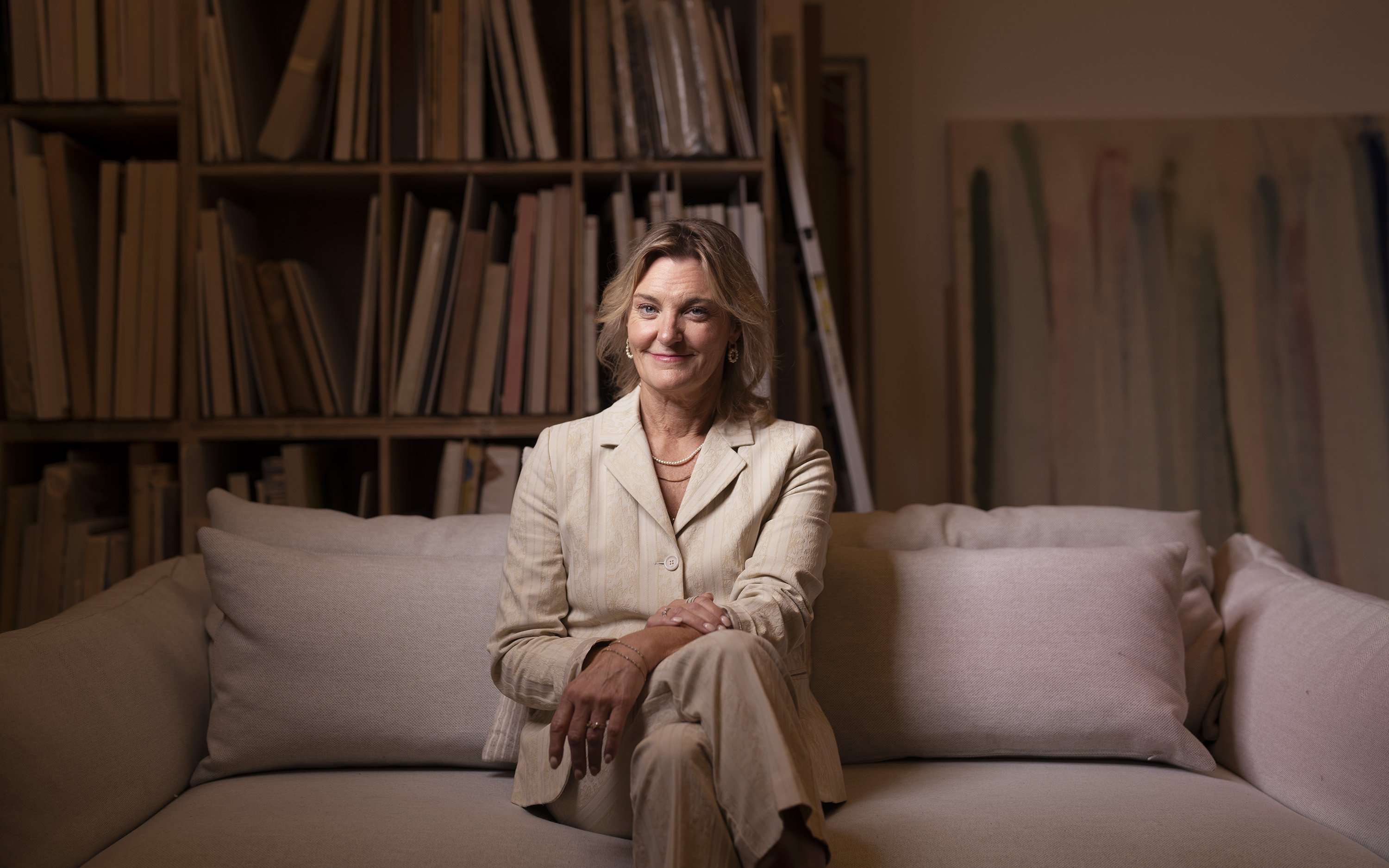
Elizabeth Moss at her Falmouth gallery. (Gregory Rec/Staff Photographer)
“When we look at what happened during the pandemic, you know, things like exhibitions and openings and fairs and tourism and that walk-in traffic all just sort of disappeared,” said McCoy. “But at the same time, galleries still had to pay their rent, they still had those other fixed expenses. And so what we saw was businesses that were able to manage that and to stay afloat had to adapt quickly.”
McCoy said that these galleries pivoted to online catalogs and virtual events during the pandemic. Though in-person and physical events are returning, many galleries still make a significant number of art sales online.
Moss, whose online business took off during the pandemic, estimated that 60 percent of her sales come from outside of Maine, even after the pandemic.
During the pandemic, Moss said she quickly pivoted to selling online, though some galleries that didn’t adapt as well struggled.
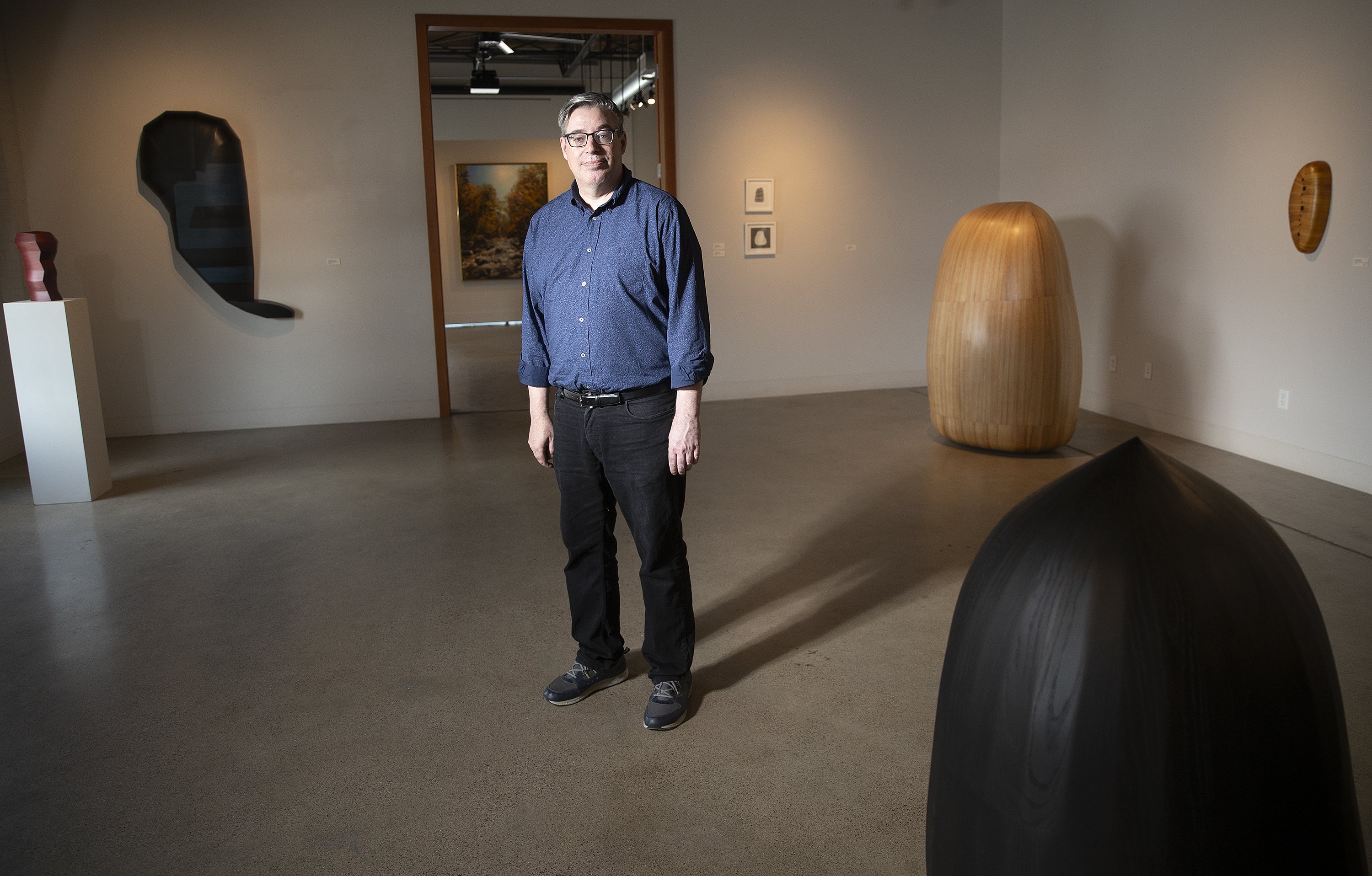
John Danos, co-owner and co-director of Cove Street Arts and Greenhut Galleries in East Bayside. (Derek Davis/Staff Photographer) Purchase this image
Though galleries in small spaces like Greenhut weren’t well suited to reopening in person during the pandemic, Danos said that many people felt safe coming to Cove Street Arts because of how spacious the gallery is, the perfect environment for social distancing. He even heard from some visitors that Cove Street Arts was the one place they felt comfortable going to.
Advertisement
Some patrons of the arts also felt compelled to buy from galleries during the pandemic in order to support them.
Moss said that she had clients calling her to buy art who weren’t even sure what they wanted but didn’t want to see the gallery go out of business.
A HUMAN EXPERIENCE – ONLINE
Developments in technology have led to increased visibility for art galleries, but also increased digital competition because local art galleries are no longer competing only with their neighbors, but with other dealers across the globe.
Staying relevant digitally sometimes requires getting personal. Even in a digital world, people still value connections and gallery owners who can engage in this way are better able to connect with their audience, make sales, and further an appreciation and community around art.
Vertenten said that videos of her speaking to the camera on Instagram tend to do well because her viewers are interested in hearing her talk about herself and her business.
Vertenten, who began her art gallery in her barn after years of working in the corporate world, said she felt timid about becoming a gallery owner because she wasn’t an artist and didn’t have any formal training in art. Still, she cared about artists and wanted to foster a creative community.
Advertisement
“I’m really motivated by making art accessible to people, to everyday people,” said Vertenten.
In some ways, the advent of artificial intelligence makes selling art easier because it can streamline administrative tasks and marketing.
At the same time, creating and selling art is a deeply human experience, and so is developing relationships with artists and buyers.
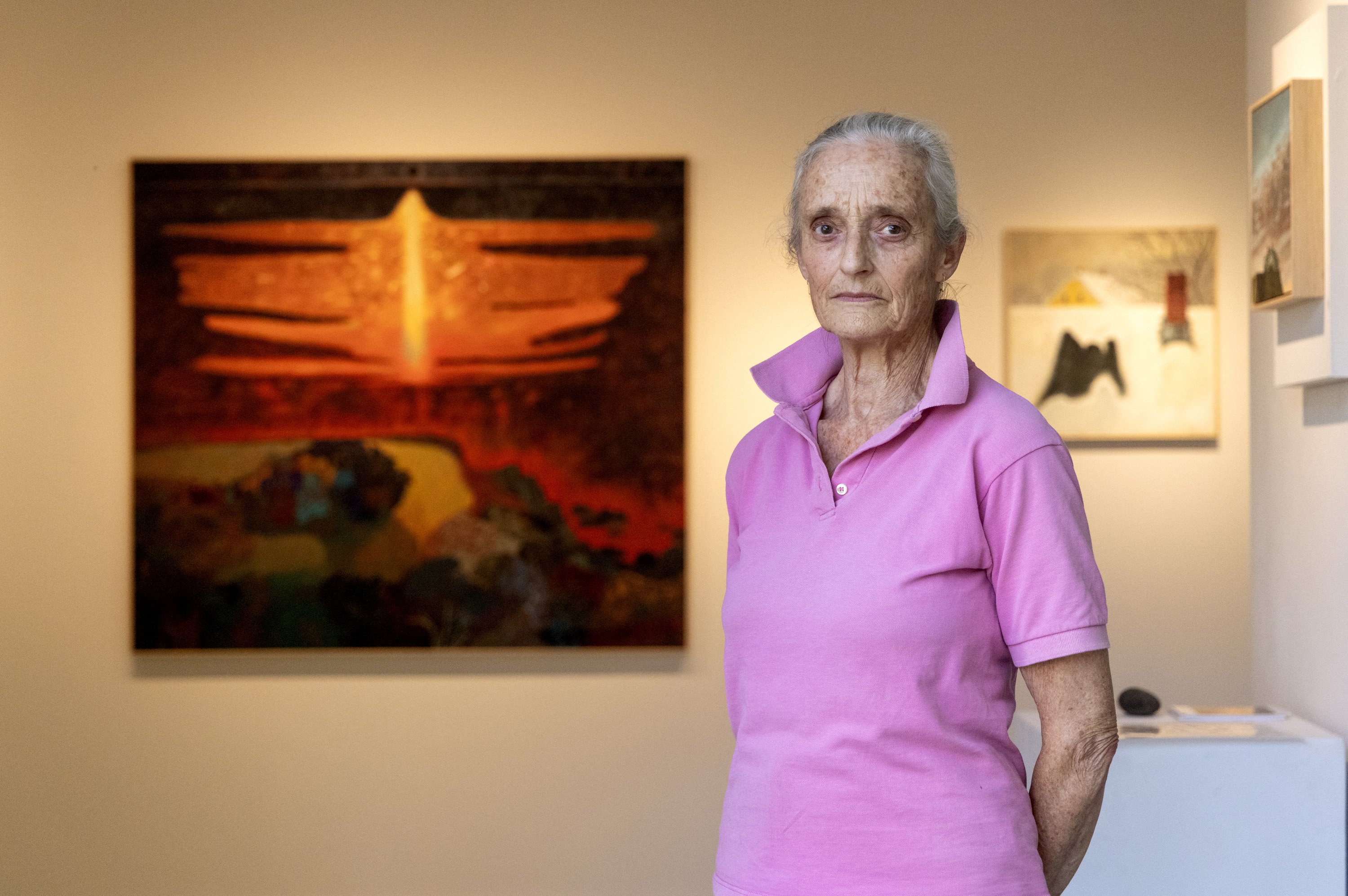
Caldbeck Gallery owner Cynthia Hyde stands among works in Jarid del Leo’s “Something Out There” exhibition. (Anna Chadwick/Staff Photographer) Purchase this image
“Art has always been one of our most powerful conduits to the human experience,” said Robb. “It invites curiosity, opens dialogue, challenges assumptions, and helps us better understand ourselves and one another.”
POLITICS AND AN UNCERTAIN ECONOMY
According to Robb, it’s not only technology that is changing the landscape for the art industry. Higher interest rates, persistent inflation, geopolitical instability, and evolving trade policies are making planning more difficult for art galleries.
Tariffs have also increased the costs associated with art production and selling. Packing and shipping materials are more expensive and changing customs requirements are becoming more of a burden for small art galleries that might not have the capacity to track and respond to logistical issues.
Advertisement
“One thing I’ve learned is that galleries are incredibly resilient. They navigate uncertainty all the time. But like any small business, they benefit from stability,” said Robb.
According to Arts Economics’ 2026 report, over half of dealers (56 percent) in a global survey said that tariffs negatively impacted their business in 2025.
In addition to tariffs, McCoy said the conflict in the Middle East has caused energy bills to go up, which can affect utility bills for gallery owners. McCoy added that small Portland businesses often operate with a smaller cash cushion, leaving them more sensitive to things like low unemployment, which makes hiring and retaining employees difficult, and shortages on housing and childcare, which affect whether workers can be available and live locally.
And because galleries don’t make a consistent number of sales per month, these factors create more intense pressure and uncertainty.
BUILDING ON RELATIONSHIPS
Even in uncertain and challenging times, it’s relationships that continue to shape the future for artists and art galleries.
Vertenten, who said that her business is doing well, credited much of its success to her relationships with artists and buyers.
Advertisement
Every winter, she does a small work show with lower price points and has noticed artists buying each other’s work there. She has also started an artist residency program.
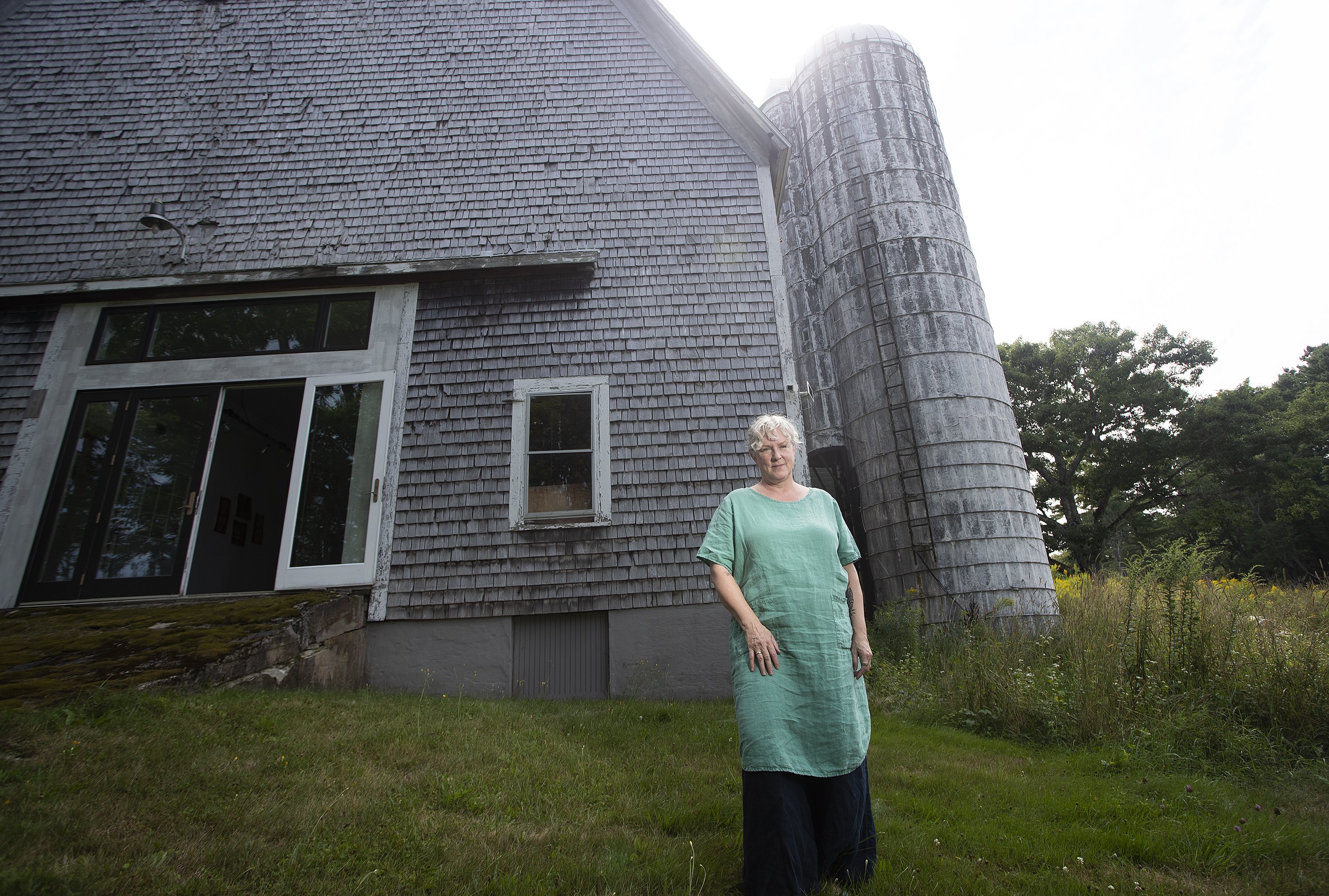
Maddy Vertenten at Sidle House in Freeport. (Derek Davis/Staff Photographer) Purchase this image
“It’s a really wonderful way for the artist community to uplift one another,” said Vertenten.
Danos and Lehr also value relationships and encourage mentorship between artists at their galleries.
“You get younger artists to bring in and bring energy, and you get older artists with experience that can help mentor and give experience to the younger artists,” said Danos.
For Robb, artists and galleries should have a symbiotic relationship, with artists creating meaningful work and galleries providing them a space and network to share their art.
“We owe our careers to the artists, and I think it’s important that we never lose sight of that. One of the wonderful things about the arts is that there’s room for everyone,” said Robb.
Copy the Story Link
Tagged: art gallery, business

Chloe Swedberg, a graduate of Bowdoin College, is pursuing a master of journalism degree from the University of California, Berkeley. She is working with the Press Herald's features team. More by Chloe Swedberg