

Sidney residents push for moratorium to block Amazon project on Waterville town line
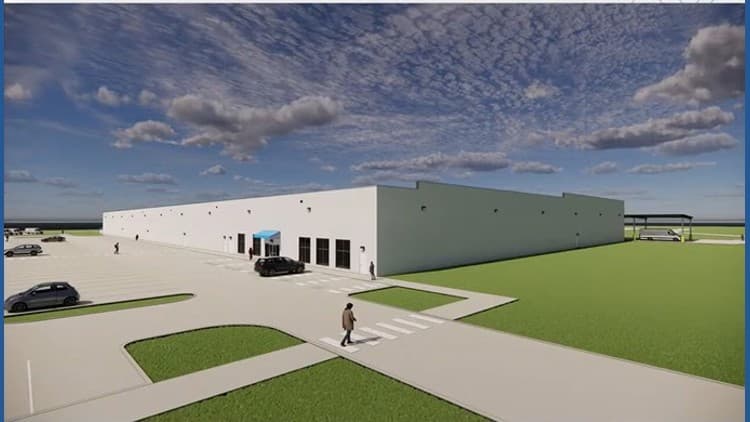
Sidney Residents Push Back Against Amazon Distribution Center Plans
SIDNEY, Maine — A group of Sidney residents has taken formal action to halt development of a proposed Amazon distribution center in their community, filing a petition this week that calls for a temporary development moratorium.
The petition, submitted to the Sidney Town Office, demands that local officials pause all development approvals related to the Amazon project while comprehensive studies assess the potential impacts on the rural town. While specific details about the distribution center proposal remain limited, the petition reflects growing unease among longtime residents about how such a facility might transform their community.
"This isn't about being against jobs or economic development," said Margaret Thornton, one of the petition organizers who has lived in Sidney for more than 30 years. "It's about making sure our town doesn't get steamrolled by a corporate giant without proper safeguards in place."
The proposed distribution center, which would be among the largest commercial developments in the town's history, has sparked concerns ranging from increased truck traffic on rural roads to potential impacts on groundwater and local wildlife habitats. Residents have also questioned whether the town's existing infrastructure could handle the demands of a major industrial operation.
Town officials confirmed receipt of the petition and indicated they would review the document during their next scheduled meeting. Selectmen Chairman Robert Pelletier said the board takes resident concerns seriously but noted that the proposal remains in early stages.
"We want to make sure everyone's voice is heard," Pelletier said. "If a moratorium is what's needed to give us time to do this right, we'll certainly consider it."
The petition reportedly gathered more than 200 signatures from residents representing a cross-section of the community, including farmers, small business owners, and families who have called Sidney home for generations.
For many signatories, the Amazon proposal represents a crossroads moment for their community. Sidney, a town of roughly 4,500 residents, has maintained its rural character through decades of development pressure from larger neighboring communities. The prospect of a major distribution facility on its borders has unsettled some who worry about the precedent it might set.
"My grandfather bought this land in the 1950s because he loved how quiet and peaceful it was," said James Holloway, who operates a small dairy farm adjacent to the proposed site. "I'm not sure that's the Sidney my family signed up for."
Amazon representatives have not publicly commented on the resident petition, though company officials previously indicated the distribution center could create approximately 500 full-time and part-time positions. The company has been expanding its logistics network throughout Maine and northern New England, with similar facilities already operating in nearby states.
Environmental advocates have also weighed in, calling for rigorous review of any potential impacts on the Messalonskee Stream watershed and surrounding wetlands. The Natural Resources Council of Maine released a statement supporting the residents' call for a careful, transparent review process.
"Sidney residents have every right to demand that their town government take a hard look at what this kind of development could mean for their community," said Sarah Chen, a spokesperson for the organization. "Rushing into approvals without proper scrutiny serves no one in the long run."
The Town Office has not yet announced a date for when selectmen will formally address the moratorium petition. In the meantime, community members have organized a public information session scheduled for next week, where residents can learn more about the proposal and share their thoughts with neighbors.
For Thornton, the petition represents more than opposition to a single project — it's about preserving community control over local decision-making.
"We need to slow down and ask ourselves what kind of Sidney we want to leave for our children," she said. "That might sound dramatic, but this feels like one of those defining moments."


