Prime Healthcare says it’s saving a Maine health system. Many question its tactics.

Nurses Rally in Lewiston as Central Maine Healthcare Faces Financial Pressure and Staffing Turmoil
Lewiston, Maine – Nurses and supporters of Central Maine Medical Center (CMMC) marched along Main Street on Tuesday, demanding safer staffing and better equipment after months of layoffs and a rapid ownership change. The picket lines, organized by CMMC’s newly formed union, coincided with a broader wave of employee unrest across the health system.
The protest comes less than a year after Prime Healthcare Foundation—an Oakland, California‑based nonprofit that acquired the Western Maine health system in February—told primary‑care staff to increase patient volume. In a video‑recorded emergency meeting on April 7, 2026, Prime CEO Dr. Prem Reddy urged staff to “open up your practice and accommodate more patients,” encouraging double‑booking and “spending less time” with each patient while keeping the same billing rates. “Sometimes the best care is also the best financial position,” Reddy told the audience.
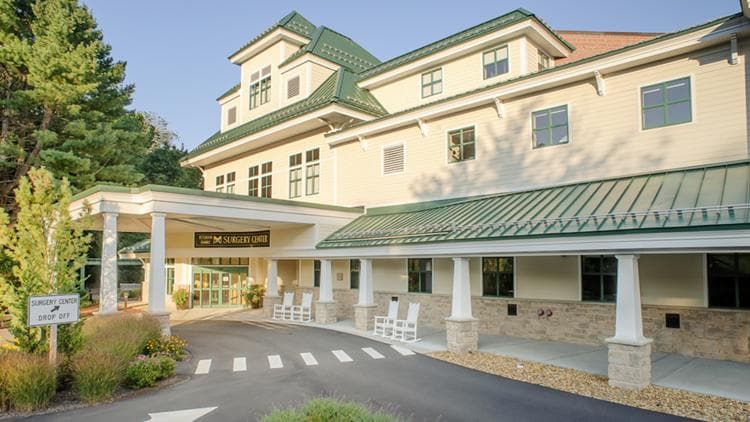
Prime’s purchase of Central Maine Healthcare (CMH), which includes CMMC in Lewiston, a hospital in Bridgton, and a facility in Rumford, was intended to reverse a two‑year loss of nearly $50 million. Prime pledged $150 million in capital over five years and has already invested more than $50 million in CMH’s electronic medical record (EMR) system, which uses Epic software tailored for Prime’s hospitals. In 2025 a cyberattack drained $25 million in cash reserves and added another $18 million in lost revenue and recovery costs, further straining the system’s finances.
During the first months of the new ownership, CMH cut 572 employees, including surgeons, hospitalists and many obstetricians, through layoffs and voluntary departures. The system hired roughly 400 new staff during the same period, bringing total employment to about 2,750 as of July. Staff say the pressure to admit more patients has led to billing challenges. One physician, who asked to remain anonymous, noted that the EMR does not allow admission under observation status—a cheaper outpatient alternative—and that patients are automatically classified as inpatients. “No physician should be directed to classify a patient as an inpatient when the patient does not meet applicable medical‑necessity and regulatory criteria,” a CMH spokesperson said.
Prime’s history includes more than $100 million in settlements with the federal government for Medicare fraud, up‑coding, and excessive inpatient admissions. A 2011 lawsuit from a San Diego physician claimed that Prime’s CEO had urged staff to admit patients for costly short stays rather than outpatient care. The company has also settled claims over false‑claims‑act allegations in California hospitals, including for inflated medical‑hardware invoices and unnecessary admissions.
Amid these financial concerns, CMH doctors have reported an increase in clinical documentation integrity (CDI) queries from the system. “The questions are increasingly unrelated to the diagnoses and details we’ve recorded, contributing to a sense of being ‘digging through the chart,’” one physician explained. The queries, according to a CMH spokesperson, aim to improve record accuracy and ensure that reimbursement matches the level of care provided. Maine Medical Association president Dr. Jim Jarvis, a Bangor family physician, said that the fee‑for‑service model often encourages providers to focus on billable encounters over patient health outcomes. “Do not game the system,” Jarvis said. “If you’re taking care of this level of care, you should get compensated for that level of care.”
The unionization effort at CMMC follows a similar push by nurses at Prime‑owned Illinois hospitals. The Lewiston nurses’ picket, scheduled for September 23, aims to secure better staffing ratios, safer working conditions and equipment upgrades. Prime Healthcare Foundation representatives have criticized the unionization, stating that the organization is still in the process of rebuilding CMH’s workforce and that the current financial transition is “critical.” They emphasized that the goal is to keep patients in central and western Maine and maintain high‑quality care for generations.
CMH’s leadership, meanwhile, highlights investments in the EMR, infrastructure, and recruitment as steps toward financial stability. Chief executive William M. Brown noted that CMH still needs to recover from the cyberattack and the losses incurred over the past two years. He also pointed to the planned $50 million in EMR upgrades and a broader strategy to improve billing accuracy.
As CMH navigates the dual challenge of financial recovery and maintaining clinical quality, nurses and doctors remain divided. While Prime’s leadership stresses the need for a sustainable, high‑quality system, staff on the ground raise concerns that the push for higher volumes and tighter billing could compromise patient safety and care standards. The union election on September 23 will determine whether nurses gain a formal voice in shaping the future of CMH’s operations.