Portland’s warming shelter plan is hitting snags as opening date nears

Portland’s winter warming shelter program remains in limbo as the city approaches the November start date for a seasonal overnight facility. The original proposal called for the basement of Elena’s Way, a Preble Street shelter at 5 Portland Street, to be converted into a nightly refuge for up to 40 individuals, operated by the Biddeford‑based nonprofit Seeds of Hope from mid‑November through April.
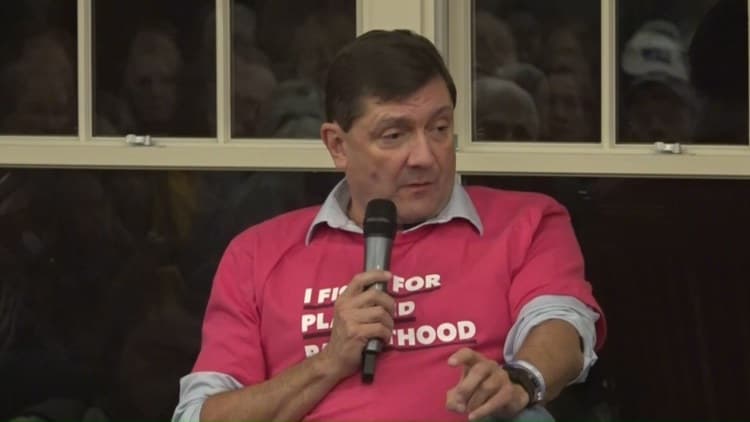
City officials had indicated that the temporary use could be approved without a fresh council vote, but a special workshop held earlier this week revealed that the existing conditional‑use provisions attached to Elena’s Way make a timely conversion unlikely. Assistant City Manager Dena Libner told the gathering that the planning director can grant a temporary use permit, yet doing so at the Preble Street site would conflict with zoning rules that are already in place. “That’s not something staff is able to administratively override,” she said.
City Attorney Michael Goldman added that while the location is not categorically barred, the required procedural steps would stretch the timeline beyond what is realistic for the upcoming winter. The conditional‑use standards for Elena’s Way limit the sleeping area to the upper floor and cap occupancy at 40 guests, a restriction that would complicate any effort to double the nightly capacity, as neighbors fear.
Residents have voiced strong concerns about the lack of openness in the decision‑making process. Robert Sylvain, treasurer of the Bayside Neighborhood Association, said, “I think it is safe to say that we’re frustrated by the lack of transparency and engagement throughout the process.” Councilor Sarah Michniewicz, who represents the neighborhood, echoed the sentiment, stating, “At this late date, I don’t see a timely procedural path to use Elena’s Way that would protect current shelter guests and families next door, or satisfy the public that the council is acting diligently and transparently.”
The council entered a closed‑door executive session to weigh alternatives and obtain legal counsel. In a written appeal, Sylvain urged a re‑examination of other sites, naming the Cumberland County facility behind Union Station and the city’s Homeless Services Center on Riverside Street as viable options where services already exist. “The idea that Elena’s Way is the only remaining solution is simply untrue. If compromises must be made, safety must not be one of them,” he wrote.
Councilor Anna Bullett, chair of the health and human services and public safety committee, reaffirmed her commitment to seeing a nightly warming shelter on the peninsula operational. “I’m deeply committed to ensuring that a nightly warming shelter on the peninsula moves forward,” she said, adding, “I’m grateful to Seeds of Hope for their flexibility as city staff urgently expand the community partners search. Fingers crossed that we will have a plan to announce next week.” Bullett also highlighted the broader funding challenges, noting that the city’s ability to provide the shelter “is a glaring reminder that Portland shoulders the burden of inadequate state and federal funding for therapeutic and low‑income housing and of the county government’s general disinterest in helping the unhoused.”
Financial details underscore the stakes. The warming shelter project has secured $361,000 from MaineHousing, representing roughly half of the projected budget. The city’s own estimate for housing 45 to 50 people nightly, providing meals and ancillary services, comes to about $688,000, a figure that includes staffing for Seeds of Hope and an expansion of the downtown ambassadors program to enhance safety. To bridge the shortfall, the council is set to consider a first reading on Monday that would allocate $350,000 from opioid settlement funds. A staff memo indicates that final details will be published before the council votes on the matter on November 2.
Last winter’s city‑run shelter, located in the former asylum‑seeker facility in the Riverside Industrial Park, received $400,000 in state funding and opened only when temperature and precipitation thresholds were met, a practice critics said limited accessibility.
With the clock ticking toward the November start, Portland officials continue to negotiate zoning constraints, community concerns, and funding gaps as they search for a location that can accommodate the planned capacity while meeting legal and safety standards. The outcome will determine whether the city can fulfill its commitment to provide a warm, safe overnight option for its unhoused residents before the cold season fully sets in.