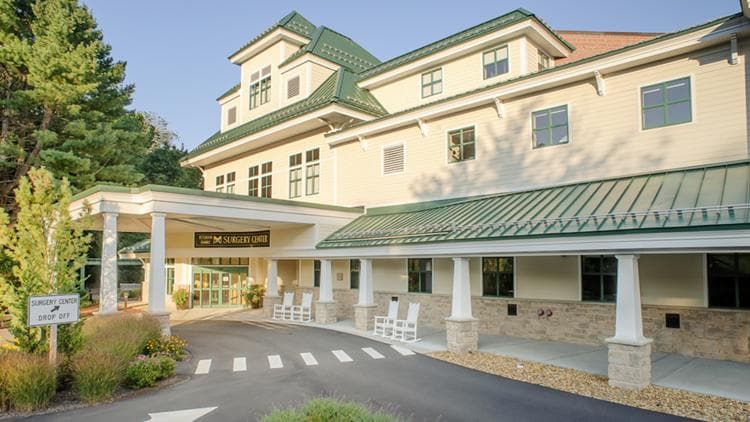
One mile from the hospital, an unexpected delivery
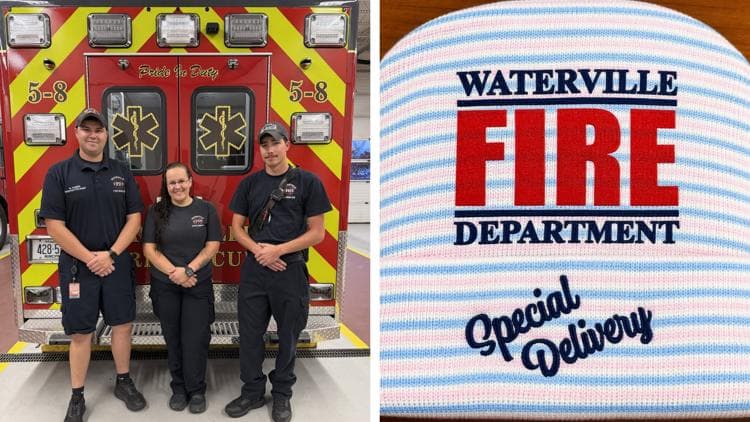
Maine Fire Department Handles Second Field Delivery After Waterville Hospital Obstetric Units Shut Down
Waterville, Maine – In a second emergency childbirth event since the city’s in‑hospital obstetrics units were closed, the Waterville Fire Department’s emergency medical services crews successfully assisted a delivery outside of a hospital setting.
According to a statement from the fire department, the incident marked the second field delivery their crews have managed since the decision to shut down the obstetric services at the local hospital. The department’s spokesperson said, “It was the second field delivery our crews have handled since the closure of the in‑hospital obstetrics units in Waterville.”
The first field delivery occurred in late March, when a mother in labor required immediate assistance and the local emergency responders provided the necessary care until a medical helicopter could transport both mother and baby to a hospital with a full‑time obstetrics unit. This latest event, which took place on Friday afternoon in the suburbs of the city, mirrored the earlier experience. A paramedic team arrived within minutes, stabilized the mother, and guided her through the birth, after which the newborn was handed to a pediatrician on board the ambulance.
The closure of Waterville’s obstetrics units was announced earlier this year by the hospital’s board after a review of staffing and financial sustainability. The decision left the community without a local facility for maternity care, prompting many families to seek services at hospitals in nearby Portland and Augusta. For those who prefer home or community‑based deliveries, the lack of an obstetric unit has created new challenges.
Local residents have expressed concern over the increased reliance on emergency responders for childbirth. “We always hoped the hospital would keep its maternity services open, but the budget cuts were unavoidable,” said one community member who requested anonymity. “It’s scary to know that if a delivery goes wrong, the only help we might get is from firefighters.”
Hospital officials in Waterville have noted that the decision to close the obstetric units was made after a thorough analysis of patient volume and cost. “We had to make difficult choices to ensure the long‑term viability of the hospital,” said a spokesperson for the regional medical center. “We remain committed to providing quality care for all patients, including those who need maternity services, and we are working with state agencies to identify alternative solutions for the community.”
The state’s Department of Health has been monitoring the situation closely. In a statement, the department emphasized that emergency medical services remain a critical safety net for births occurring outside of hospitals. “Our paramedic teams are trained to handle obstetric emergencies,” the statement read. “We are encouraging families to discuss their birth plans with healthcare providers and to have emergency contact plans in place.”
The second field delivery underscores the evolving role of emergency responders in Maine’s rural and semi‑urban areas. Fire departments across the state have increasingly taken on medical duties in addition to fire suppression and rescue. According to the Maine Fire Service Association, nearly 70 percent of fire departments in the state provide emergency medical response services.
While the outcomes of both deliveries were positive, the incidents raise questions about the adequacy of community maternity resources. Advocacy groups are calling for the state legislature to examine funding options for regional maternity care, including shared services between neighboring hospitals.
For now, the Waterville Fire Department remains on alert. “We’re ready to respond to any emergency, whether it’s a house fire or a childbirth,” said the department’s commander. “We’ve trained our crews for these situations, and we’re proud to be able to help our neighbors when they need us most.”
The second field delivery has reinforced the importance of emergency medical services as a vital component of the healthcare system, particularly in communities where hospital resources are limited or have been withdrawn. As Waterville and other Maine towns adapt to changing healthcare landscapes, the role of emergency responders in ensuring safe births may continue to grow.