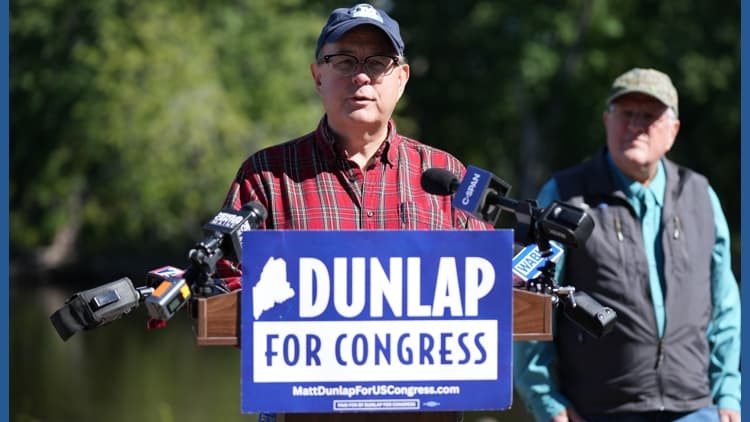
Matt Dunlap for Maine’s 2nd Congressional District | Letter

Durham Educator Endorses Matt Dunlap for Maine’s 2nd Congressional District
In a letter published in Maine Matters 2026, Lois Kilby‑Chesley, a longtime Durham resident and former president of the Maine Education Association (MEA), offered a candid assessment of the political climate surrounding the 2026 congressional race in Maine’s 2nd District.
A Veteran Union Leader Reflects on the “LePage Years”
Kilby‑Chesley served as MEA president during the tenure of former Governor Paul LePage, a period the writer describes as one marked by intimidation, name‑calling, and a clear dislike for unions. “Paul LePage depended on intimidation, name‑calling, misrepresentation of the facts and an intense dislike for unions,” Kilby‑Chesley writes, underscoring her experience of the governor’s approach to education policy and labor issues.
Meeting Matt Dunlap
Over the years the Durham native has met the former state senator, Matt Dunlap, several times. Most recently, she encountered Dunlap at a MEA gathering in Lewiston that marked the association’s formal endorsement of him as the candidate for the 2nd District. Kilby‑Chesley portrays Dunlap as “soft‑spoken, intelligent, accepting,” and notes that he “gets the job done fairly, without resorting to insults.” The letter conveys that Dunlap’s demeanor aligns with the values the MEA—and Kilby‑Chesley herself—hold in high regard.
Early Voter Confident in Dunlap
The letter closes with a clear endorsement: “I have already cast my (early) ballot for Matt Dunlap.” The statement signals both her personal support and the broader sentiment among some MEA members who favor a candidate who prioritizes respectful discourse over confrontation.
Context in the 2026 Election
The 2nd Congressional District, which includes much of Maine’s eastern coastline, is a focal point of the 2026 election cycle. The MEA’s endorsement of Dunlap, a former state legislator who has served the district in the state senate, reflects a broader effort by local organizations to shape the outcome in a seat that has historically swung between parties. Kilby‑Chesley’s letter offers a personal perspective from a former union leader on why she believes Dunlap’s approach to leadership and policy will resonate with voters who are weary of polarizing tactics.
As early voting continues to draw in Maine residents, letters like Kilby‑Chesley’s underscore the importance of local voices in shaping the direction of the state’s representation at the federal level.