

Maine nonprofit launches $20M fund to help farmers adapt to climate change


Orchard manager Scott Miller takes a soil sample as Ianthe Lekometros Moore, a technical assistant provider for the Northeast Farmers Fund, watches at Randall Orchards in Standish on Tuesday. (Brianna Soukup/Staff Photographer)
STANDISH — Bees buzz around the neat rows of Macoun apple trees lining the hillside at Randall Orchards, where a warm breeze ripples through the tall grasses intended to prevent runoff during heavy downpours.
Underfoot, crushed clover releases a sharp, sweet scent as orchard managers, sustainability advocates and state officials gathered Tuesday to celebrate a big financial pivot for regional climate-friendly agriculture: the Northeast Farmers Fund.
What makes this climate-friendly farming program different than those that came before?
The source of the funding. Wolfe’s Neck Center for Agriculture and Environment, a farming nonprofit based in Freeport, is bankrolling the $20 million Northeast Farmers Fund with corporate donations, starting with a $500,000 contribution from Hannaford Supermarkets.
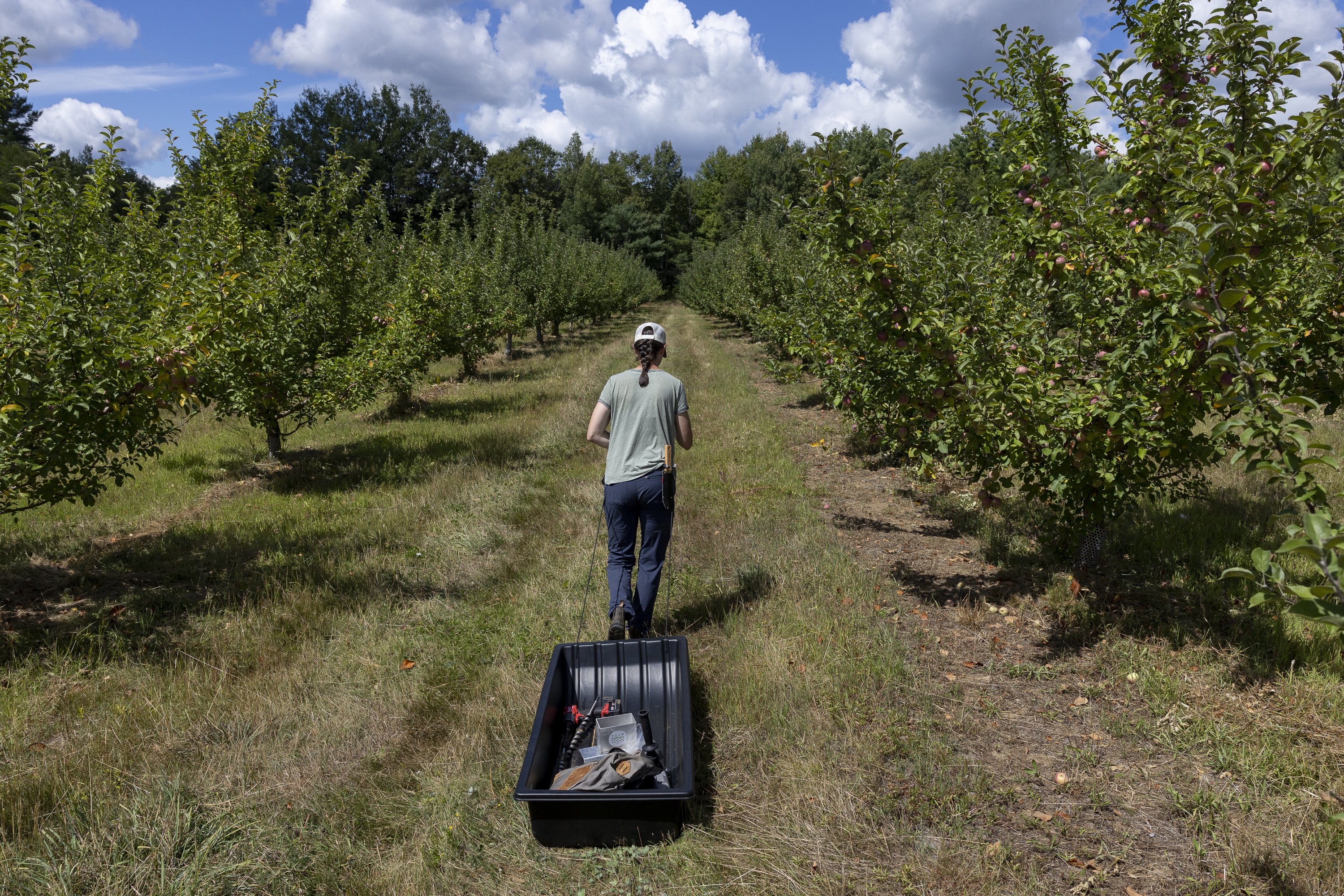
Ianthe Lekometros Moore, a technical assistant provider for the Northeast Farmers Fund, heads to the next spot where she will take a soil sample at Randall Orchards in Standish on Tuesday. (Brianna Soukup/Staff Photographer)
As big as it is, the fund will not fill the massive funding void created last year when the U.S. Department of Agriculture canceled Wolfe’s Neck Center’s five-year, $35 million climate-smart farming grant.
But it’s a very good start, said Dave Herring, Wolfe’s Neck Center’s executive director.
Advertisement
“Our number one lesson coming out of 2025 was that we needed to diversify our funding,” Herring said. “We’re tapping local food companies, philanthropic and private foundations, individual donors, and government grants to create a pool of funding to help our farmers.”
And despite getting burned before — dozens of farmers across the state saw their climate-friendly farming grants canceled last year, not just Wolfe’s Neck — Maine farmers are still enthusiastic about adopting climate mitigation strategies, including healthy soil programs.
Related
USDA cancels $35M climate grant to Wolfe's Neck
The state programs that offer farmers technical assistance in this area and fund equipment purchases always have waiting lists, said Amanda Beal, commissioner of the state Department of Agriculture, Conservation and Forestry, during a wagon tour of Randall Orchards.
“Every little bit, every extra source of funding, it all matters,” Beal said. “It’s a patchwork.”
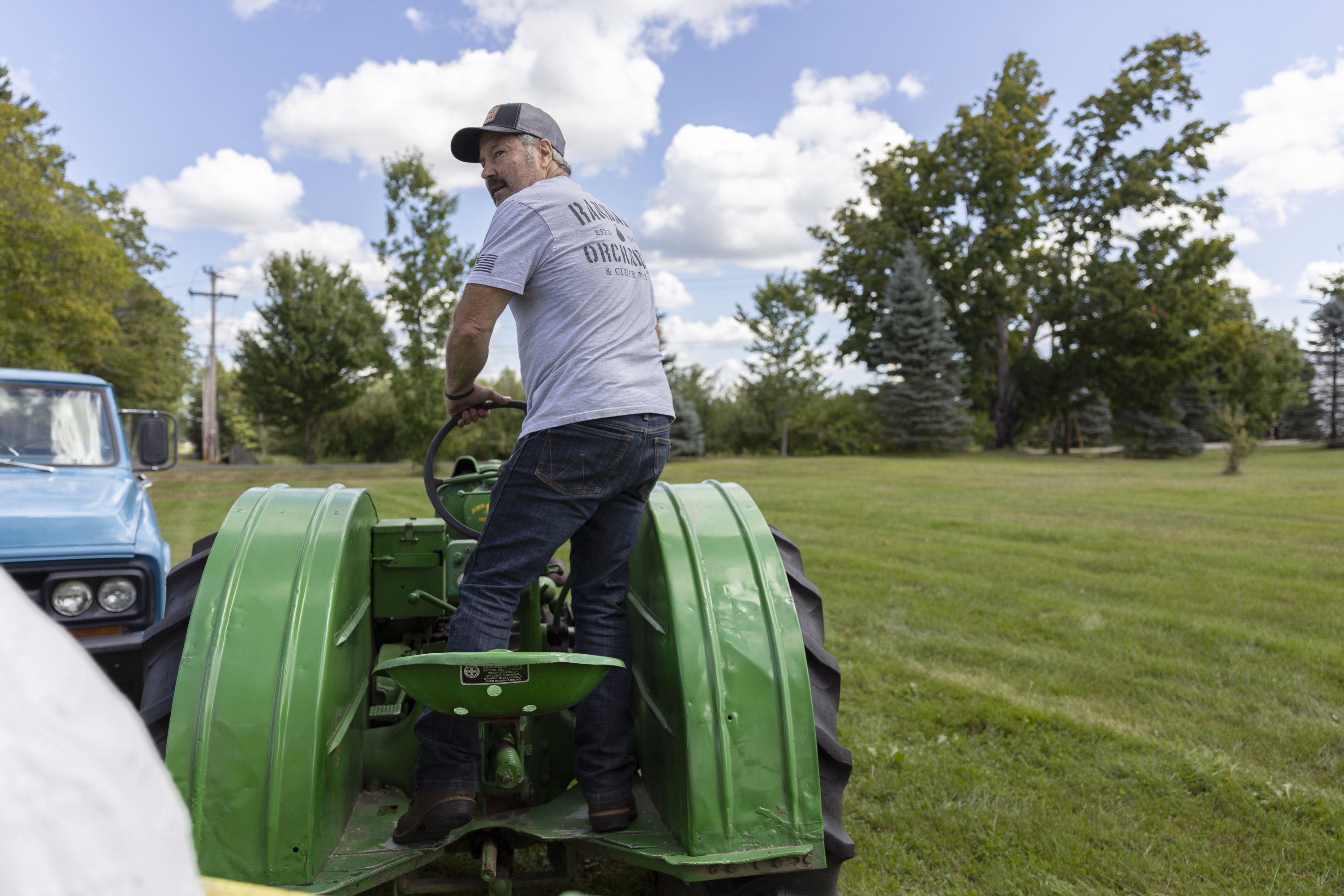
Robert “T-Bone” Randall on a tractor at Randall Orchards in Standish on Tuesday. His family has owned the orchard since the early 1900s. (Brianna Soukup/Staff Photographer)
Healthy soil practices help protect Maine farmland during the increasingly extreme weather brought about by climate change, absorbing heavy rainfall during more frequent downpours while retaining moisture during more frequent droughts, said Beal.
Related
Persistent drought takes toll on Maine farmers
The Northeast Farmers Fund aims to help more than 400 regional farms adopt regenerative practices, like planting cover crops and using no-till methods, through grants that top out at $50,000 a piece over at least the next two years, if not longer, Herring said.
Advertisement
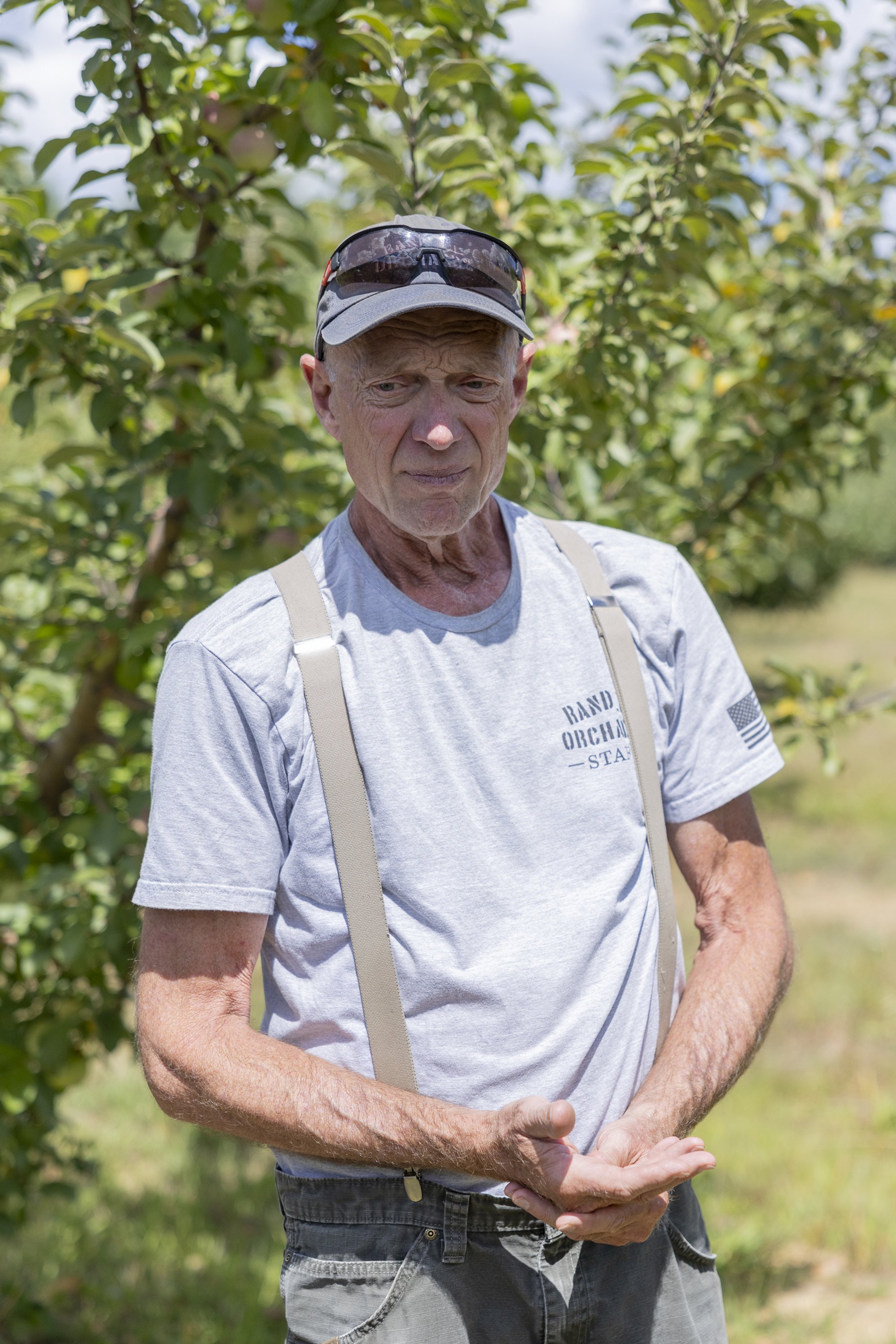
Scott Miller, the orchard manager at Randall Orchards, in Standish on Tuesday. (Brianna Soukup/Staff Photographer)
This shift from public to private backing matters acutely to Maine growers, who have faced unexpected financial disruption when federal support vanished, threatening the stability of statewide food supply chains, Beal said.
Adopting sustainable soil management carries expensive operational burdens for farmers, including steep upfront equipment expenses, labor-intensive monitoring, and the financial gamble of altering established routines.
Standing out amidst the Macoun trees, Scott Miller, who manages Randall’s Orchards apple operation, said healthy soil is critical to a good harvest, determining both the size of the trees themselves and the number and size of the apples that will hang from their branches.
He stands next to a few of the smallest trees in the row. A Wolfe’s Neck employee is drilling samples of dry dirt from the ground beneath his feet. “This soil right here, it’s problem soil,” Miller said. “That’s why the trees are small. It needs to hold more moisture to be productive.”
He hopes the soil tests funded by the Northeast Farmers Fund grant that Randall Orchards received this summer — one of the first — will help him nurture this low-producing row of Macoun trees into a blockbuster, if not this year, then next.
“We’re in it for the long haul,” Miller said. “If we do it right, these trees will outlast me.”
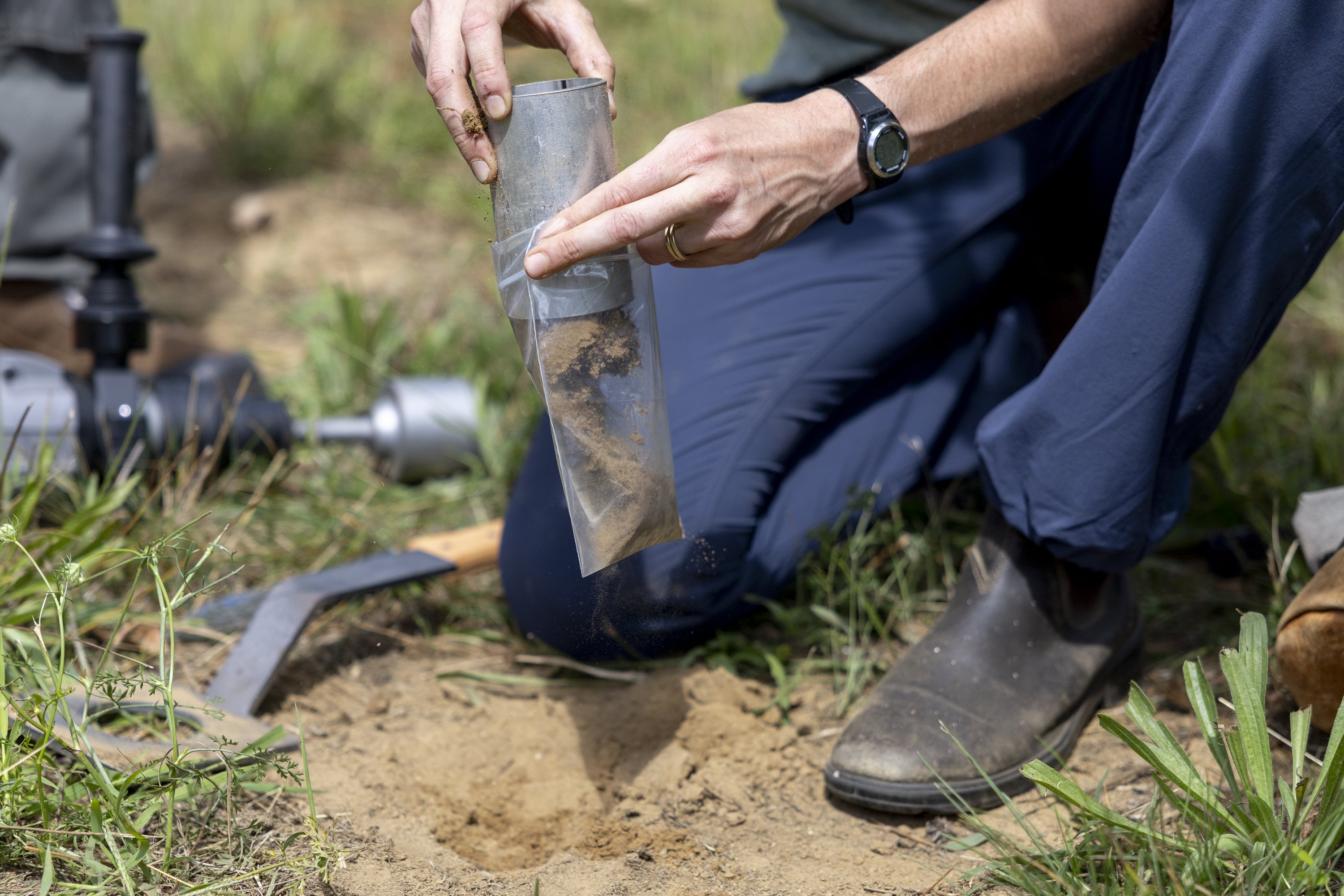
Ianthe Lekometros Moore, a technical assistant provider for the Northeast Farmers Fund, takes a soil sample from a spot at Randall Orchards in Standish on Tuesday. (Brianna Soukup/Staff Photographer)
Copy the Story Link
Tagged: agriculture, climate, environment, farming, federal funding, Wolfe's Neck Farm

Penny is excited to be the Portland Press Herald’s first climate reporter. Since joining the paper in 2016, she has written about Maine’s lobster and cannabis industries, covered state politics and. More by Penelope Overton