

Lewiston leaders propose juvenile justice changes to address youth gun violence
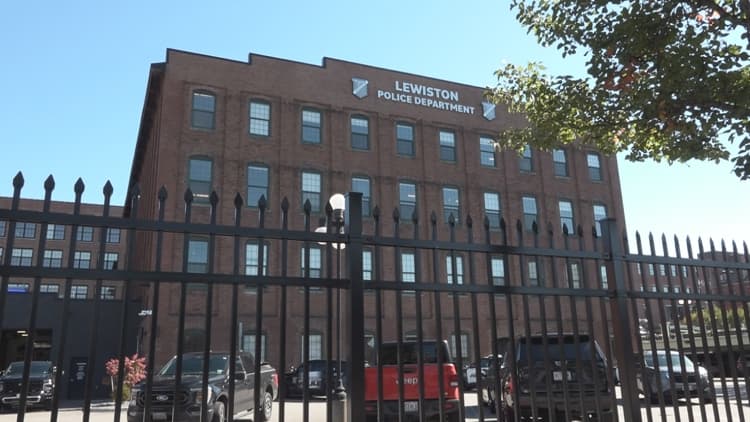
Lewiston Officials Highlight Repeat Offenders as Key Factor in Youth Gun Violence
Lewiston, Maine – City officials say that a significant portion of the recent surge in gun‑related incidents involving teens in Lewiston can be traced back to repeat offenders, many of whom have prior convictions.
According to Lewiston Police Chief Mark Fenn, data from the past 12 months shows that roughly six of the nine youths (ages 14 to 18) who were arrested for gun violence had at least one prior arrest on their records. “When we look at the trend, it’s clear that a large number of these incidents involve individuals who have already been in the system,” Fenn told a press briefing on Tuesday. “These patterns give us a chance to intervene before it escalates.”
The mayor, William C. Sweeney, echoed the chief’s assessment. “We can’t afford to wait for another tragedy before we act,” Sweeney said. “Our goal is to break the cycle by addressing the root causes that keep these young people turning back to violence.”
City data indicate that 11 gun‑related arrests were made in Lewiston during the first quarter of this year, a 25 percent increase over the same period last year. Of those, seven were youth under 18, and five of those youths had prior convictions ranging from assault and vandalism to misdemeanor drug offenses. Police records show that most of the repeat offenders had been released within the past six months.
The Lewiston Police Department is working in partnership with the Maine State Police, the local chapter of the Juvenile Justice Board, and community groups such as “Youth Empowerment Initiative” to develop outreach and prevention programs. The initiative offers after‑school tutoring, mentorship, and conflict‑resolution workshops for at‑risk teens.
“We’re trying to keep these kids out of the streets and into productive activities,” said Lisa Morales, director of the Youth Empowerment Initiative. “When you give them a constructive outlet, the temptation to use a gun diminishes.”
In response to the spike in gun violence, city council members have tabled a proposal to increase penalties for repeat gun offenses. The bill would impose a minimum six‑month prison term for any person with two or more prior gun‑related convictions who is caught with a firearm. City councilor Robert “Bob” McKenna explained the rationale, “We’re not looking to punish, but to deter. The current legal framework isn’t strong enough to prevent these repeat offenses.”
The mayor also announced a new community policing initiative that will involve regular town hall meetings in neighborhoods with high rates of youth violence. “Transparency and dialogue are essential,” Sweeney said. “We want parents, school officials, and residents to have a direct line to the police and to each other.”
The city’s crime‑statistics dashboard, released last week, shows an uptick in gun‑related incidents in the downtown and East Side districts. While the overall crime rate in Lewiston has remained relatively stable, the concentration of youth gun violence in specific neighborhoods has drawn particular concern from local residents.
A resident of the East Side, 28-year‑old Maria Hernandez, expressed both hope and frustration. “It’s hard to see so many kids in this area get into trouble,” she said. “If the city is offering programs, I hope they’re accessible and effective. We need to give these kids a reason to stay away from guns.”
Police Chief Fenn stressed that data alone cannot solve the problem. “We’re also looking at the socio‑economic factors that lead to these repeat offenses,” he said. “But early intervention, education, and community partnerships are the pillars of our strategy.”
Lewiston’s efforts to address youth gun violence reflect a broader trend across the state, where several municipalities have reported similar patterns. The state’s Department of Public Safety has issued guidelines to help local police departments identify high‑risk offenders and connect them with rehabilitation services.
The city’s plan, if approved by the council, would take effect in the fall. Lewiston officials remain hopeful that a coordinated, data‑driven approach will reduce the number of youths caught up in gun violence and ultimately create safer neighborhoods for all residents.


