'It's a once-in-a-lifetime thing': Black bear safely removed after unexpected run through Portland
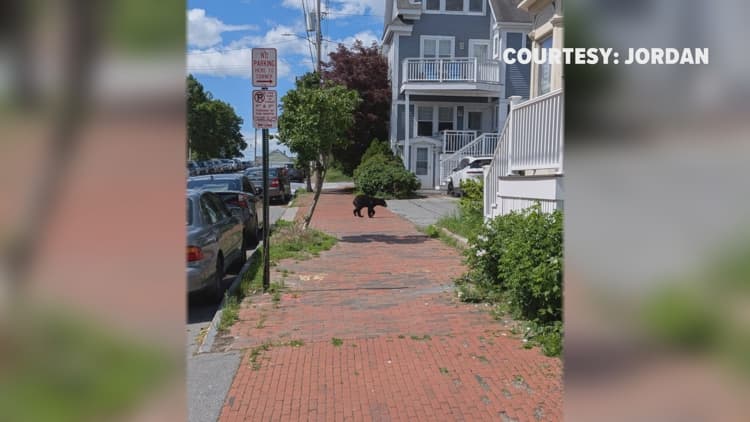
A young black bear was sighted in Portland’s Old Port district on Friday, prompting a swift response from local wildlife officials. The animal, identified by observers as a young black bear, was tranquilized and subsequently relocated to a safer, more suitable habitat.
The bear first drew attention late in the afternoon when a group of residents and a few tourists noted its presence near the waterfront, a location normally reserved for pedestrians and commercial activity. Witnesses described the bear as large, but still young, with a distinctive black coat and a wary, cautious demeanor.
Wildlife authorities arrived promptly, equipped with a tranquilizer dart and a team trained in safe animal handling. After the bear was sedated, handlers secured the animal in a containment vehicle and transported it out of the Old Port area. The relocation was carried out to reduce potential human‑bear conflicts and to ensure the bear’s well‑being, as urban encounters can be stressful for both parties.
Officials confirmed that the bear is being moved to a wildlife sanctuary that offers an environment better suited to its natural needs. While the exact destination was not disclosed, the team assured that the bear will receive veterinary care and monitoring upon arrival.
The incident highlights the increasing frequency of black bears venturing into coastal communities. Though the species is native to Maine, occasional sightings in densely populated areas prompt public concern. In such cases, authorities prioritize non‑lethal methods—such as tranquilization—to safely manage wildlife and maintain public safety.
Residents in the Old Port district were advised to stay alert but not to approach the animal, following the standard protocol of keeping a safe distance from bears in the wild. The city’s wildlife response team remains on standby for any future sightings, working closely with state wildlife agencies to monitor bear populations and mitigate human‑wildlife interactions.
This event underscores the importance of vigilance and preparedness in regions where natural habitats intersect with urban life. By employing humane and effective measures, local authorities can protect both community safety and the well‑being of wildlife that occasionally find themselves in unfamiliar surroundings.