Defund the police betrayed Black America. I'm rebuilding what activists broke

Chicago Police Officers Visit Community Center to Build Trust With Youth
Chicago, IL — In an effort to ease the fear many young residents of Chicago’s South Side reportedly feel toward law‑enforcement officers, Pastor Corey Brooks invited a group of Chicago Police Department (CPD) officers to his community center, Project H.O.O.D., earlier this month.
The event was organized by the nonprofit, which focuses on youth development and community outreach. According to Brooks, many children in the area have been taught to view police as hostile—an attitude he believes can have dangerous consequences if it prevents them from seeking help in emergencies.
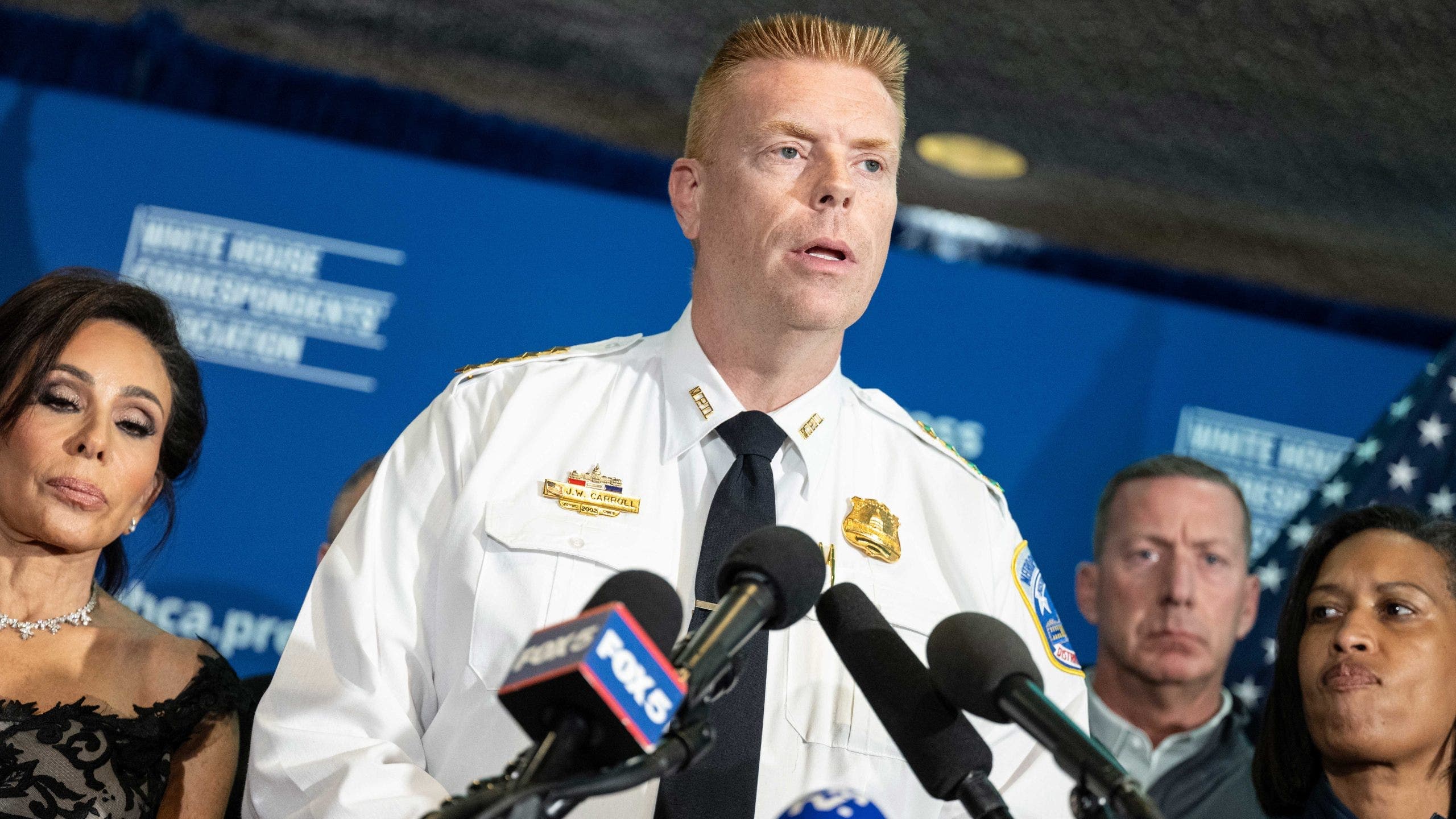
The officers arrived in full CPD uniforms, complete with black visor caps and sidearms. The room was initially tense, with several children hiding behind adults and a few adults standing firmly against the officers. Brooks said the atmosphere reflected a longstanding divide between law‑enforcement and the community, a divide that many attribute to the “defund the police” debate and the influence of the Black Lives Matter movement over the past decade.
Brooks cited the deaths of Trayvon Martin in 2012, Michael Brown in 2014, and George Floyd in 2020 as pivotal moments that intensified negative perceptions of police. He also referenced a 2020 New York Times opinion piece that called for redirecting police funding toward other public services and the Minneapolis City Council’s 2020 pledge to dismantle its police department.
He pointed to data showing a surge in Chicago homicide numbers during the same period. Homicides rose from about 500 in 2019 to 781 in 2020, and to 804 in 2021—a spike that local law‑enforcement officials linked to reduced staffing. Retirement and resignation rates increased, morale declined, and active‑patrol presence in neighborhoods such as the South and West Sides diminished.
During the community‑center visit, officers sat with children, answered questions, and listened to the concerns of teens and adults alike. Some youths, who had previously reacted with fear when seeing a squad car, stayed after the session and expressed interest in police work. According to Brooks, the event “cracked a wall of mistrust” that had developed over years of negative messaging.
“Building trust takes time, but a conversation like this can start to change perceptions,” Brooks said in a statement. “It is not a one‑time press conference; it’s a step toward letting people see police officers as neighbors, not enemies.”
The event is part of a broader effort by Project H.O.O.D. to address the impact of reduced police presence on the community. While the organization has not measured long‑term outcomes, Brooks reports that the initiative has already sparked interest among local youths in exploring careers in law enforcement and has prompted some parents to reconsider their stance on calling police in emergencies.
Brooks emphasized that the goal is to ensure that children who have grown up with an ingrained fear of police can feel safe contacting law‑enforcement when needed. “We’re not asking anyone to abandon the hard work that police do,” he added. “We’re simply trying to show that the uniforms on the street are not symbols of hostility but of people dedicated to protecting the community.”