Debut novelist explores a remote Maine island as a ‘crucible for character’

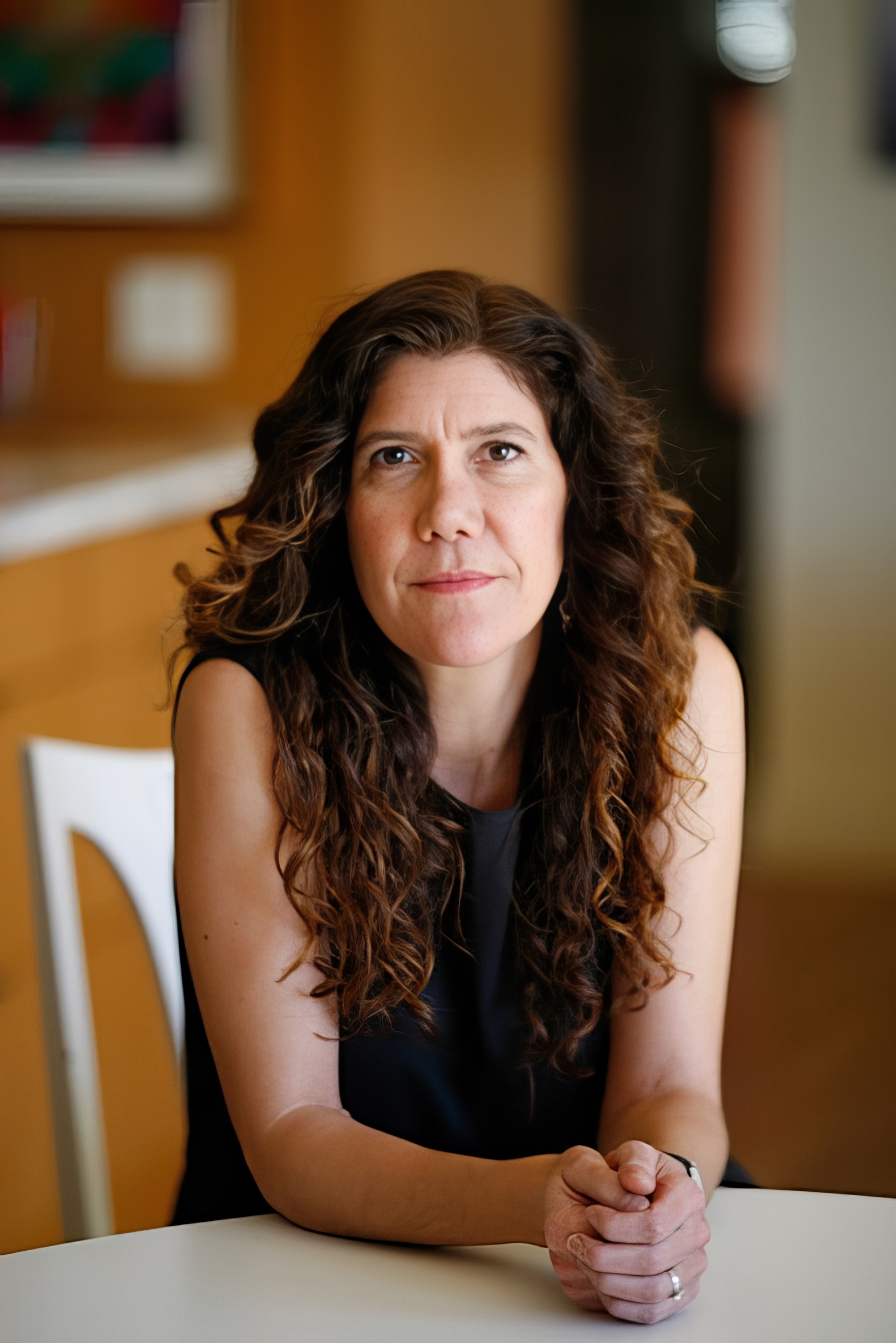
Author Rose Smith. (Photo by Nils Juul-Hansen)
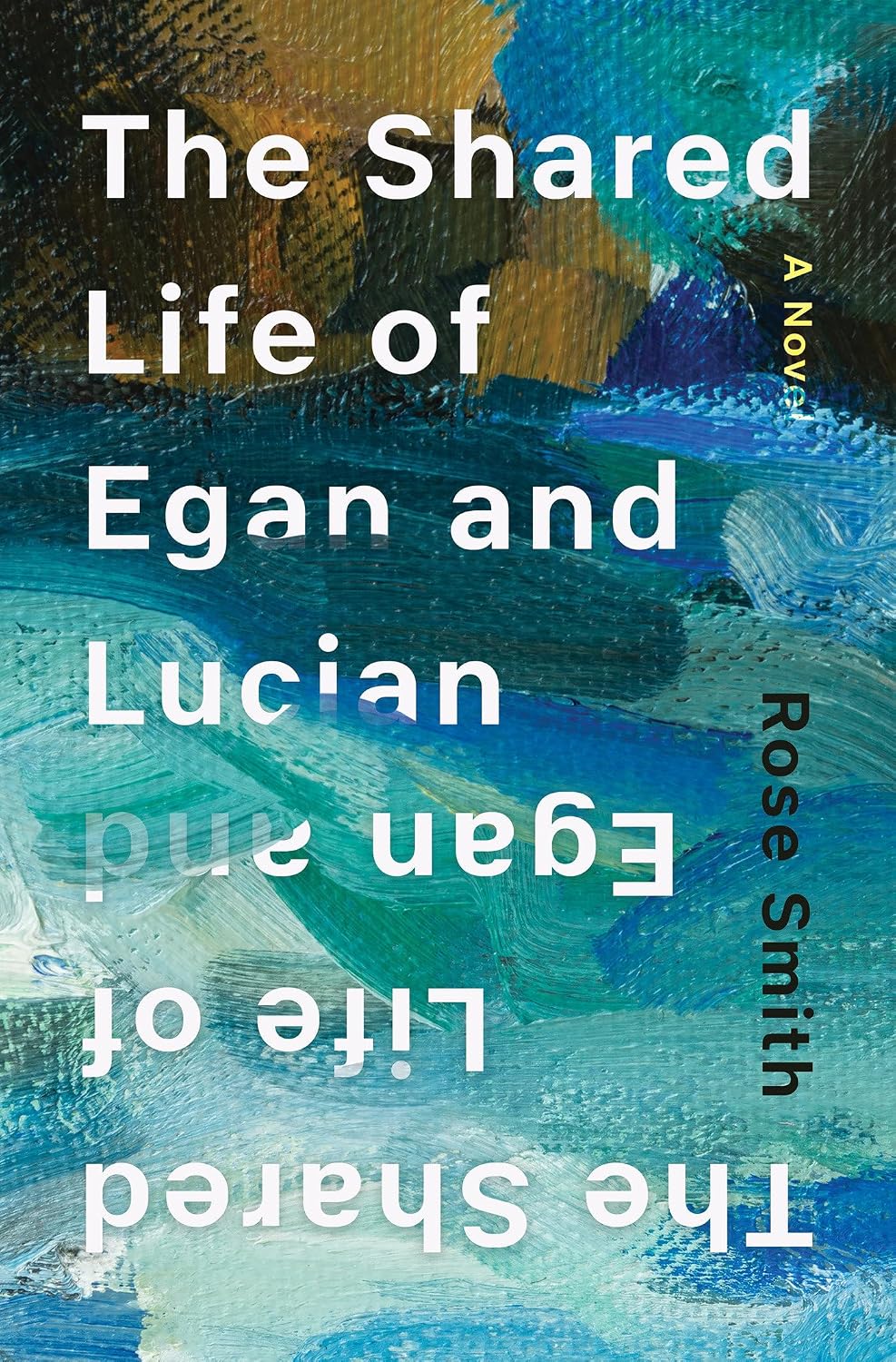
In her debut novel, “The Shared Life of Egan and Lucian,” Rose Smith explores the intersection of family, art and the natural world. Inspired by time spent in Casco Bay and her lifelong fascination with the “Odyssey,” Smith explores motherhood, creativity, homecoming and the pull of a place. In her first-ever interview, she spoke with the Portland Press Herald about the remote island that sparked the novel, the artists who shaped her imagination and the years she spent bringing the story to life.
The novel’s remote setting gives the story a timeless quality. How did you decide when to set this family’s story, and what did that time period allow you to explore?
I went to a birthday party on an island in Casco Bay. There are no stores or businesses there, but it’s only a 45-minute ferry ride from Portland. The idea that you would be so close to a big city, but also be in this remote place — that was exciting as a kind of crucible for character.
My visit was pre-pandemic, and back then, services weren’t delivering groceries there yet. So by setting the novel at a time when cellphones weren’t a big part of life, we could really feel the island community as something special, protected and insular. And then, as the characters grew, so too did the connection that not only they felt, but the whole world started to feel.
The ‘Odyssey’ is fresh in my mind, as I’m sure it is for many readers who have recently seen the Christopher Nolan film. What inspired you to weave so much of the ‘Odyssey’ through this novel?
I first read the “Odyssey” when I was a teenager, and I felt connected to the story of Telemachus, of his rage and disillusionment and confusion about being abandoned by his father. Then I read it again in my 20s, when I was traveling all over the world, and I was really connected to Odysseus’ sense of adventure. And then I read it again once I was a mother and wife, and Penelope was the focus of my attention. In “The Shared Life of Egan and Lucian,” it was impossible to write about life on an island without thinking of the “Odyssey.”
A lot of the same kinds of themes find their way in: fathers and sons, mothers and sons, long marriages. Of course, “nostos,” the ancient Greek term for homecoming, is crucial to my story because of the way that Lucian comes home.
It’s a poem I am deeply connected to and think about a lot, and it felt natural to give my obsession to Ian. I love the way he exists in the world as this very devoted father, but also a self-taught intellectual.
Advertisement
Without giving anything away, I want to ask about the relationship between water and tragedy in the novel. There are echoes of the ‘Odyssey,’ but there’s also the very real ruggedness and danger of the New England landscape — something that can get lost in today’s highly aestheticized, social media version of the region. What interested you about bringing those two ideas together?
I’m interested in an unmitigated experience with the natural world. The experience that we tend to have now with the natural world, because of the ubiquity of our phones as cameras, is creating a distance between us as humans and the natural world that we live in. And, obviously, there are dire ramifications to that kind of disconnection. But if you live in a place like my fictional Shep’s Island, there’s no getting around it — you are subject to nature and the environment and how it can shape and change you.
The setting feels so specific and intimately observed. What is your connection to this part of Maine, and how did that relationship shape this novel? Does it go beyond your friend’s birthday party?
My friend, who was born, raised and still lives in Casco Bay, invited a few friends to a weeklong gathering to celebrate her birthday. She’s a talented painter, and she was building a studio attached to her barn. I was in a busy time in my life with work, and I had little kids. I was not thinking about writing — life sometimes stands in the way of that. And my friend gave me this lovely gift one morning, saying, “Go to my studio and write.” I sat down and started writing. The character of Lea came to me whole, and I wrote those first few pages.
I have gone back to experience the region at different points of the year. My cousin lives in Maine, and she has been extraordinarily game to go to remote islands in the dead of winter with me so that I can have that sensory experience. You don’t have to go to a place to write about it, but I felt like I was going to be able to write the kind of novel I wanted to write by having those sensory details at my fingertips.
Can you tell me a bit more about your career and the path that led you to ‘The Shared Life’?
I wrote those first few pages, and then I set it aside — I was a busy film producer. During a career break, I pulled out those early pages, and that’s when it took off.
I was a few drafts in when I realized I needed to learn more about fiction writing, so I got an MFA in creative writing. Then I came back and rewrote the novel in a year, using everything I had learned in school. My experience in producing documentaries also taught me so much about storytelling.
In total, I spent seven years on “The Shared Life.”
Advertisement
Seven years, wow — what does it feel like to publish your first book of fiction?
It is unbelievably thrilling. Working with my publisher has been a dream. And the early responses have been so kind. My first love is reading — there’s no place I’d rather be than in a bookstore or library — so knowing that my book will be in both is unbelievably gratifying.
What drew you to explore the role of art and creativity in your characters’ lives?
I was raised in an artists’ commune and sat at my godfather’s feet as he painted giant canvases — being a small child in these environments created a lifelong interest in art. But, throughout my life, there was always this awareness that all of the artists were men. I would wonder, what would life have been like if the women had been artists? As an artist who has children, I wanted to explore that question through Sheila and Lea — two different women from different generations and with different approaches to being a mother and artist.
I’m very interested in the tension that occurs in an artist’s life, as they require focus and solitude, but also connection and relationship, and how those things get negotiated and resolved.
Samara Brass is a writer and editor based outside Boston.
Copy the Story Link
Tagged: books, Maine authors