

Conservation group seeks changes to Brunswick dam after alewife die-off
Conservationists File Federal Complaint Over Alewife Loss at Dam
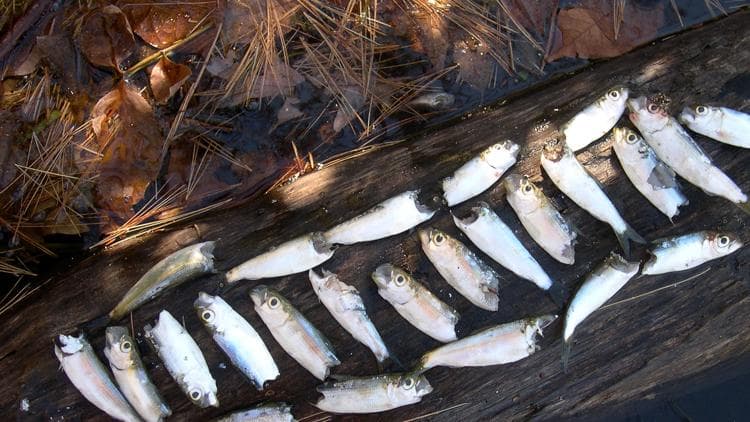
A coalition of conservation groups has lodged a federal complaint alleging that thousands of alewives were killed when the fish passed through a dam. The complaint, filed with the U.S. federal government, calls attention to the impact of the structure on the alewife’s life cycle and demands a review of the dam’s fish‑passage provisions.
Alewives, a small herring‑like fish that migrates from the Atlantic Ocean into rivers to spawn, are a critical component of coastal ecosystems and an important food source for a variety of wildlife and commercial fisheries. Their numbers have fluctuated dramatically over the past decades, and many conservationists view the species as an indicator of river health.
The filing specifically states that the dam has caused the deaths of thousands of alewives during their upstream migration. The complaint asserts that the current design of the dam does not adequately accommodate the fish’s passage, resulting in high mortality rates. While the name of the dam and its precise location were not disclosed in the complaint, the document indicates that the issue has been a longstanding concern for local environmental groups.
The federal complaint requests a thorough assessment of the dam’s impact on alewife migration and seeks the implementation of effective fish‑passage solutions. It also calls for the dam operators to provide detailed data on fish mortality and to cooperate with ongoing monitoring efforts.
In response to the complaint, representatives of the dam’s ownership have yet to issue a public statement. However, the filing is expected to prompt an investigation by federal agencies responsible for wildlife conservation and water resource management. If the allegations are upheld, the agencies may require the installation of fish ladders, bypass channels, or other mitigation measures to reduce mortality and restore the alewife’s migratory corridor.
The issue has drawn attention from state‑level environmental officials, who have highlighted the need for balanced solutions that consider both ecological integrity and the operational requirements of the dam. Meanwhile, local communities that rely on the river’s fisheries and recreation are closely watching the outcome of the federal complaint.
The conservation groups that filed the complaint argue that the dam’s continued operation without adequate fish‑passage infrastructure poses a significant threat to the alewife population, which has already faced pressure from overfishing and habitat loss. They urge the federal authorities to act swiftly to protect the species and ensure that the river’s ecological functions are preserved.
As the federal review proceeds, stakeholders—including fishers, environmentalists, and dam operators—will be seeking a resolution that balances ecological concerns with practical considerations. The outcome of this complaint may set an important precedent for how dams across the country address the needs of migratory fish species such as the alewife.


