

City of South Portland deactivates Flock cameras
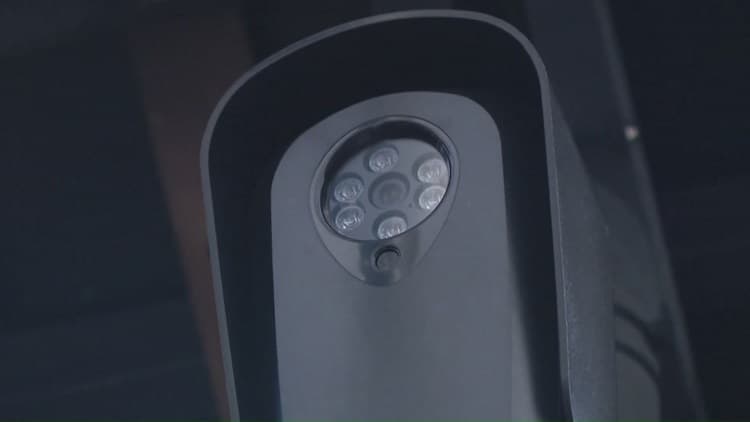
Residents Challenge Privacy Norms Amid Automated License Plate Reader Deployment
A growing dispute has emerged surrounding the installation of automated license plate readers across the region, with local communities expressing deep apprehension over the technology’s impact on personal privacy. The automated systems, designed to track vehicle movements, have quickly become a flashpoint for debate, forcing residents to weigh the convenience of enhanced surveillance against fundamental civil liberties.
The controversy centers on the deployment of these machines, which capture identifying numbers from passing cars without requiring human intervention. While proponents argue that such technology aids in traffic management and law enforcement, the prevailing sentiment among the public is one of alarm. Residents are actively raising concerns that the widespread collection of data from license plates could lead to an unwarranted intrusion into private lives.
"This represents a significant shift in how our streets are monitored," said a local advocate who spoke on condition of anonymity. "We must ask ourselves what happens when the ability to track movement becomes indistinguishable from the ability to invade privacy."
The tension highlights a broader societal reckoning with the balance between security and secrecy. As the automated readers continue to operate, the dialogue has shifted from technical specifications to ethical considerations. The immediate result of this clash is a polarized environment where the utility of the hardware is constantly measured against the cost of potential surveillance.
For the residents of Maine, the issue is not merely abstract. The presence of these readers transforms public spaces into zones of constant observation. The backlash suggests that while the technology may offer logistical benefits, the price of privacy appears too high for many to accept.
As the situation develops, local leaders are under pressure to address the concerns of the populace. The debate serves as a reminder that the adoption of new monitoring technologies rarely goes unchallenged, particularly when it touches upon the intimate boundaries of daily life. Until clear safeguards are established, the controversy promises to remain a defining feature of the community’s relationship with its infrastructure.


