Augusta Utility sues local paper mills over alleged PFAS contamination
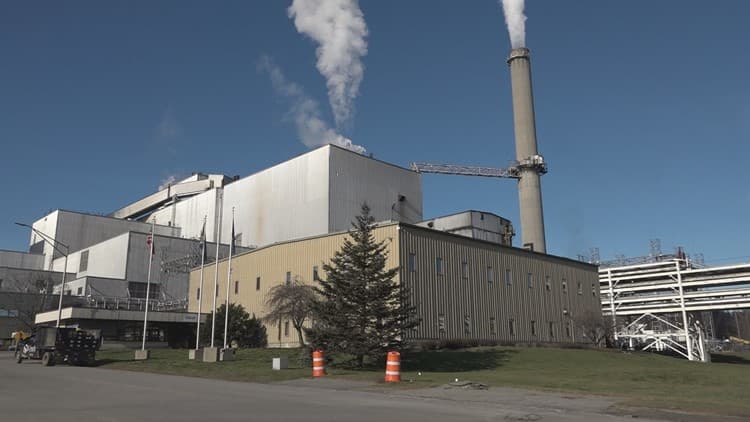
Maine Utility District Files Lawsuit Against Four Paper Mills Over PFAS Contamination
A utility district in Maine has filed a lawsuit against four local paper mills, accusing the companies of discharging per‑and polyfluoroalkyl substances (PFAS) into the environment through wastewater, landfill leachate, and industrial sludge. The suit alleges that the chemicals have entered the district’s water supply and poses a risk to public health.
The lawsuit, filed in a state court, names the mills that have operated in the area for decades. PFAS are a group of synthetic chemicals used in a variety of industrial and consumer products, often referred to as “forever chemicals” because they persist in the environment and can accumulate in living organisms. The district’s complaint lists the alleged routes of contamination, citing evidence that the mills’ wastewater streams, landfill runoff, and sludge byproducts contain measurable levels of these substances.
“We have documented that PFAS have been introduced into the local watershed through the mills’ discharges,” the district’s legal counsel wrote. “These chemicals are harmful to both humans and wildlife, and the community deserves clean water.” While no direct quotes from the mills were included in the filing, the complaint states that the companies have not yet responded to the allegations.
The district is seeking a range of remedies, including financial damages, cleanup costs, and measures to prevent further release of PFAS. In addition, the lawsuit requests that the mills provide detailed records of their wastewater treatment processes and any monitoring of PFAS levels. The district also asks that the courts order an independent assessment of the water quality in the area to determine the extent of contamination.
PFAS contamination has become a growing concern across the United States, especially in regions with historical industrial activity. Health officials warn that exposure to certain PFAS can lead to a variety of adverse health effects, including immune system suppression and developmental problems in infants. In recent years, state agencies have been under pressure to address legacy pollution from paper mills and other manufacturing facilities that have contributed to the spread of these chemicals.
The lawsuit is expected to trigger a broader investigation into the region’s water quality. Local residents who rely on the district’s water supply are following the case closely, hoping for a resolution that ensures safe drinking water. Meanwhile, the implicated mills face the possibility of significant legal costs and potential operational changes if the court orders remediation.
The case highlights the ongoing challenge of balancing industrial activity with environmental stewardship. As the district’s lawsuit moves forward, it may set a precedent for how communities in Maine and elsewhere address legacy pollution from long‑standing manufacturing operations. The parties will likely present evidence in the coming months, and the court will decide whether the allegations are sufficient to compel the mills to take remedial action.